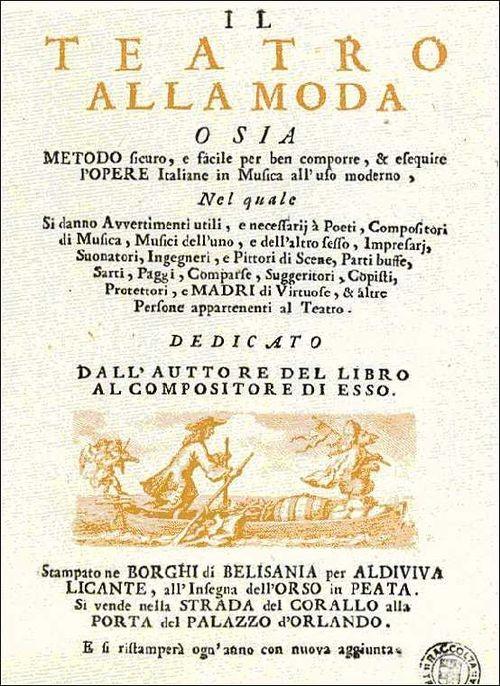
The immense popularity in our time of Antonio Vivaldi’s concerti might tempt us to forget that il prete rosso (the red priest) had a burning ambition to succeed as an opera composer, but the early 1720s were fallow years for him as a Venetian opera producer. By the autumn of 1722, the 44-year-old composer’s fortunes were smarting in his home base, thanks in no small part to a public rivalry with the composer Benedetto Marcello that found its expression in one of the pamphlet wars that were so much a part of eighteenth-century affairs. Vivaldi thought it best to skip town for a spell and see if success in some other city would refurbish his reputation. So he took an extended trip to Rome.
Thanks to varying levels of hostility toward opera over the years by the papacy, Rome didn’t have as well-developed a tradition of the lyric stage as other Italian cities in the first century and a half of opera’s existence. The Teatro Capranica was the only public theater in the Eternal City until the 1720s, and Roman operatic performances had the peculiar feature of an absolute prohibition on women performing on stage, so the reliance upon castrati and boy singers was distinctly more pronounced there than was the case in opera houses in other parts of Italy.
We don’t know who commissioned Vivaldi to compose his first Roman opera, Ercole su’l Termodonte (Hercules on the Thermodon), or even the process by which the libretto was chosen: Antonio Salvi is the author of this drama about the ninth labor of Hercules in which the hero must capture the sword of Queen Antiope of the Amazons. Vivaldi’s opera was first performed at the Teatro Capranica in January of 1723 and was an immense success.
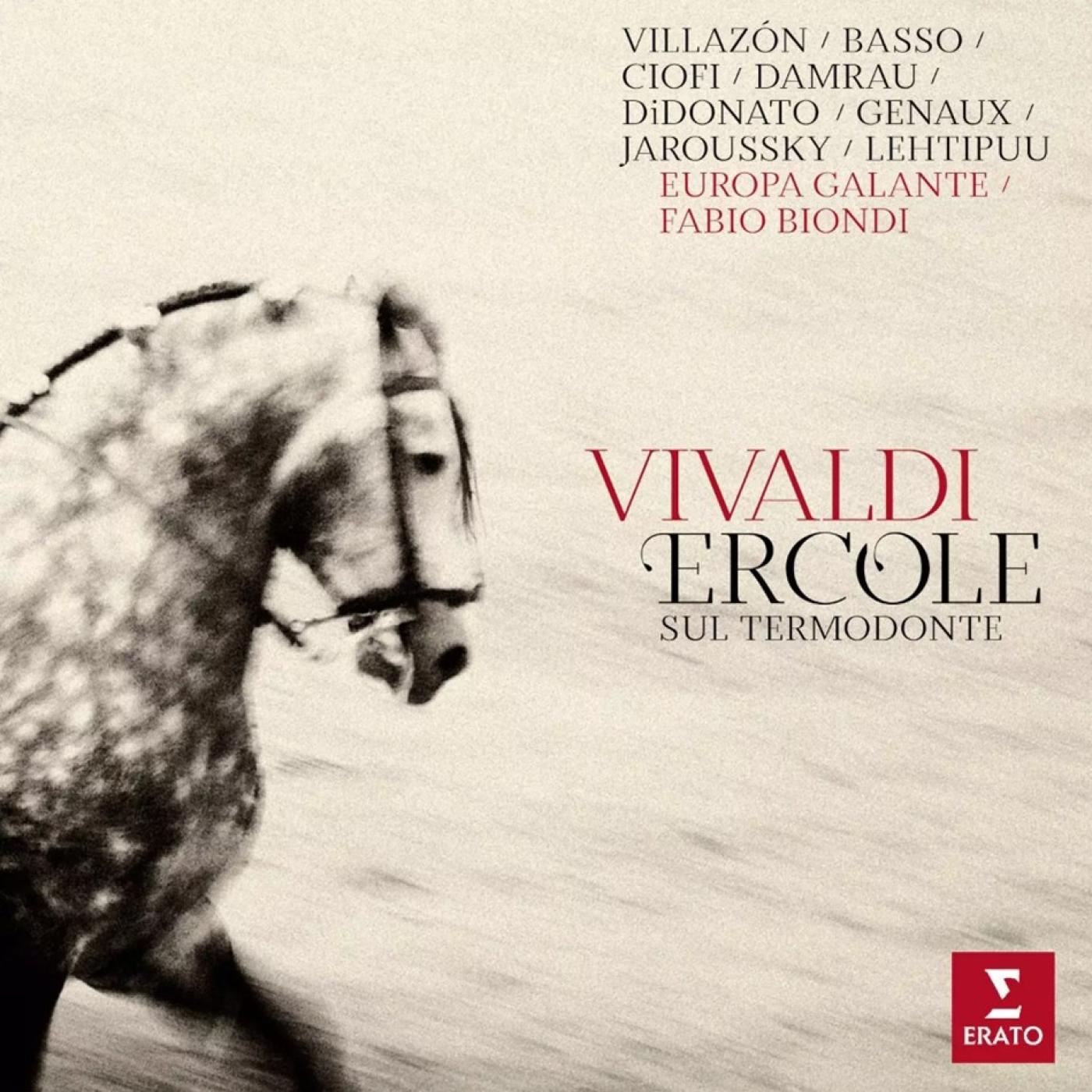
A complete score of the piece is no longer extant, but Fabio Biondi reconstructed it using material from other Vivaldi operas and composing recitatives for a recording produced at the Teatro della Pergola in Florence in multiple sessions between 2008 and 2010 and published on the Virgin Classics label (later Warner Classics / Erato). You can hear this recording in its entirety on WETA VivaLaVoce at 8pm on Sunday, August 3.
PBS PASSPORT
Stream tens of thousands of hours of your PBS and local favorites with WETA+ and PBS Passport whenever and wherever you want. Catch up on a single episode or binge-watch full seasons before they air on TV.