During the month of February 2026, the Metropolitan Opera presents an “Artist’s Choice” series – performances from the Met’s archives chosen by current opera starts, intended to showcase stellar artists from the past who have contributed so much to the world of opera. Here’s our chance to experience legendary performers in legendary performances!
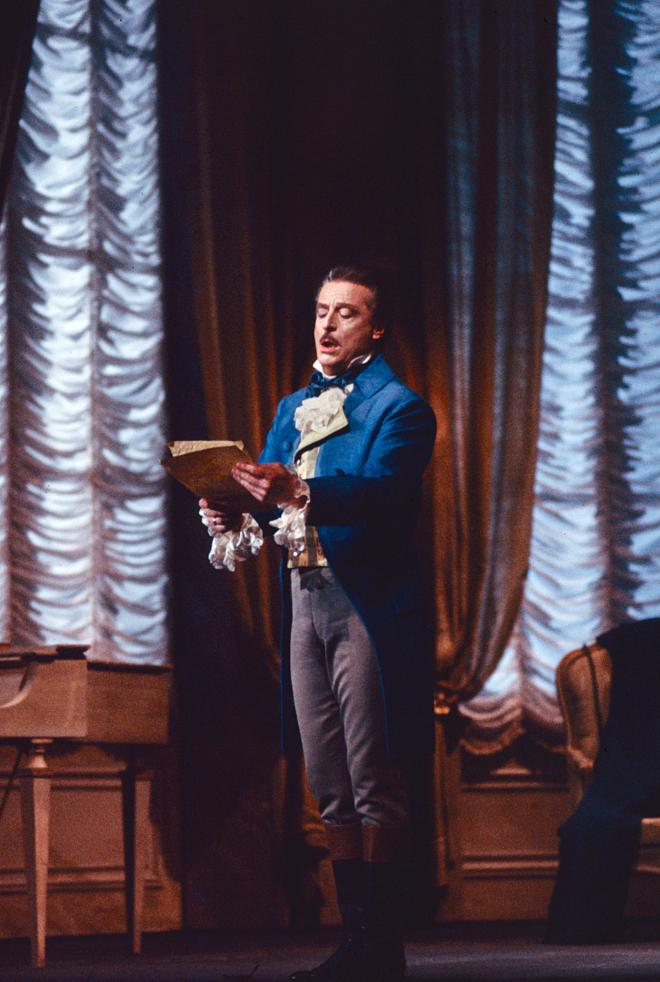
The series opens February 7 with Werther, by Jules Massenet, based on the novella, The Sorrows of the Young Werther by Johann Wolfgang von Goethe. Acclaimed tenor Lawrence Brownlee chose this Metropolitan Opera performance from 1979 because it boasted the noted 20th century tenor, Alfredo Kraus, in the title role of Werther, a sensitive young poet, a dreamer, unable to reconcile the world around him. Werther’s unfulfilled love for Charlotte, who is married to Werther’s friend, Albert, plunges him into deep despair and tragedy. Both Goethe’s novella and Massenet’s opera are examples of the Romantic movement in the arts during the 19th century, ruled by intense sentiment, melancholy and emotion. The opera contains endearing and sensitive duets between Werther and Charlotte, and Werther’s famous, sorrowful tenor aria, “Pourquoi me réveillier?” (Why waken me, O breath of Spring?). Kraus was known for his vocal elegance and expert technique, particularly his performances of this heartbreaking aria from Werther.
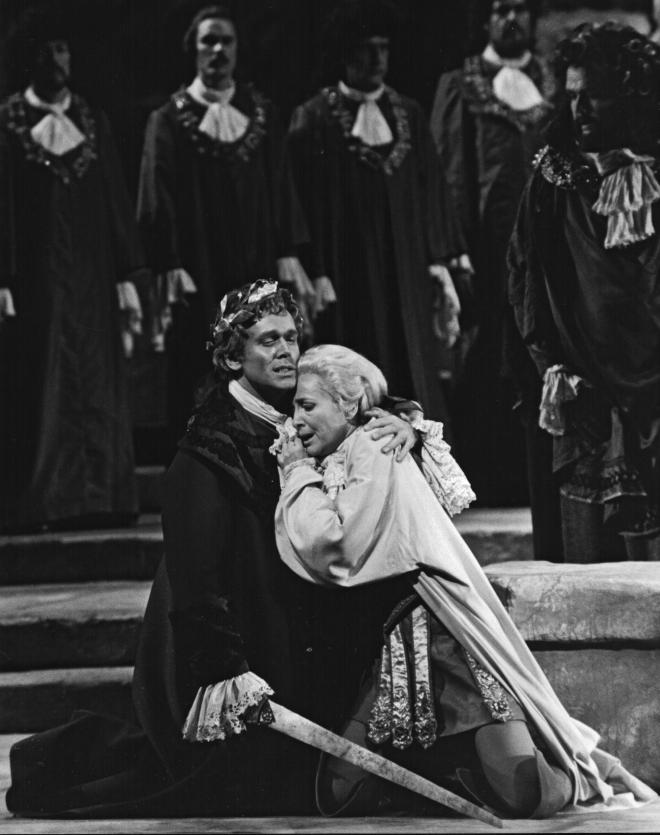
Next up on February 14 is Idomeneo by Wolfgang Amadeus Mozart, in a 1986 Met production. Joyce DiDonato, one of the Met’s current supernovas, chose this production to showcase lyrical mezzo-soprano Frederica von Stade in the role of Idamante. Von Stade is widely respected for her vocal range and expressiveness. Mozart’s Idomeneo is characterized as opera seria, a dramatic form common in the 18th century that focused on mythological figures and a moralistic theme. The story is based on the ancient legend of Idomeneo, the King of Crete, who makes a deal with the god Neptune to save him and his crew during a treacherous sea voyage, a deal that portends a horrible sacrifice. With elements of French and Italian opera traditions, rich orchestration, special effects and impressive choral moments – it’s referred to as Mozart’s “choral opera” -- Idomeneo is an elevating moment in Mozart’s development as a mature operatic composer. The role of Idamante is a trouser role, that is, a high—voiced male character performed by a female mezzo-soprano or soprano disguised as a male. Trouser roles were often used in 18th century opera and were traditionally performed by young men or boys, but in later eras females replaced males in these roles.
Puccini’s Manon Lescaut is on the bill February 21 with a 1990 Met performance selected by soprano Asmik Grigorian that featured the legendary Mirella Freni in the title role. Manon Lescaut, completed in 1892, was Puccini’s third opera and his first international success. He based it on an 18th century novel by Abbé Prévost about a young woman, Manon Lescaut, her desire for a better life and her ill-fated love affair with the Chevalier Des Grieux. This passionate and tragic tale had been earlier set to opera by composers Daniel Auber and Jules Massenet, but Puccini’s take is slightly different than his predecessors – it’s more robust, highly melodramatic, and infused with verismo elements that show real life and real struggles. It’s full of beautiful melodies, and is a showcase for tenors. Mirelli Freni has been celebrated for her sincere and skilled portrayals. She’s arguably one of the greatest interpreters of Puccini, characterized by vocal beauty and heartfelt interpretations without excess or exaggeration. She’s one of my personal favorites.
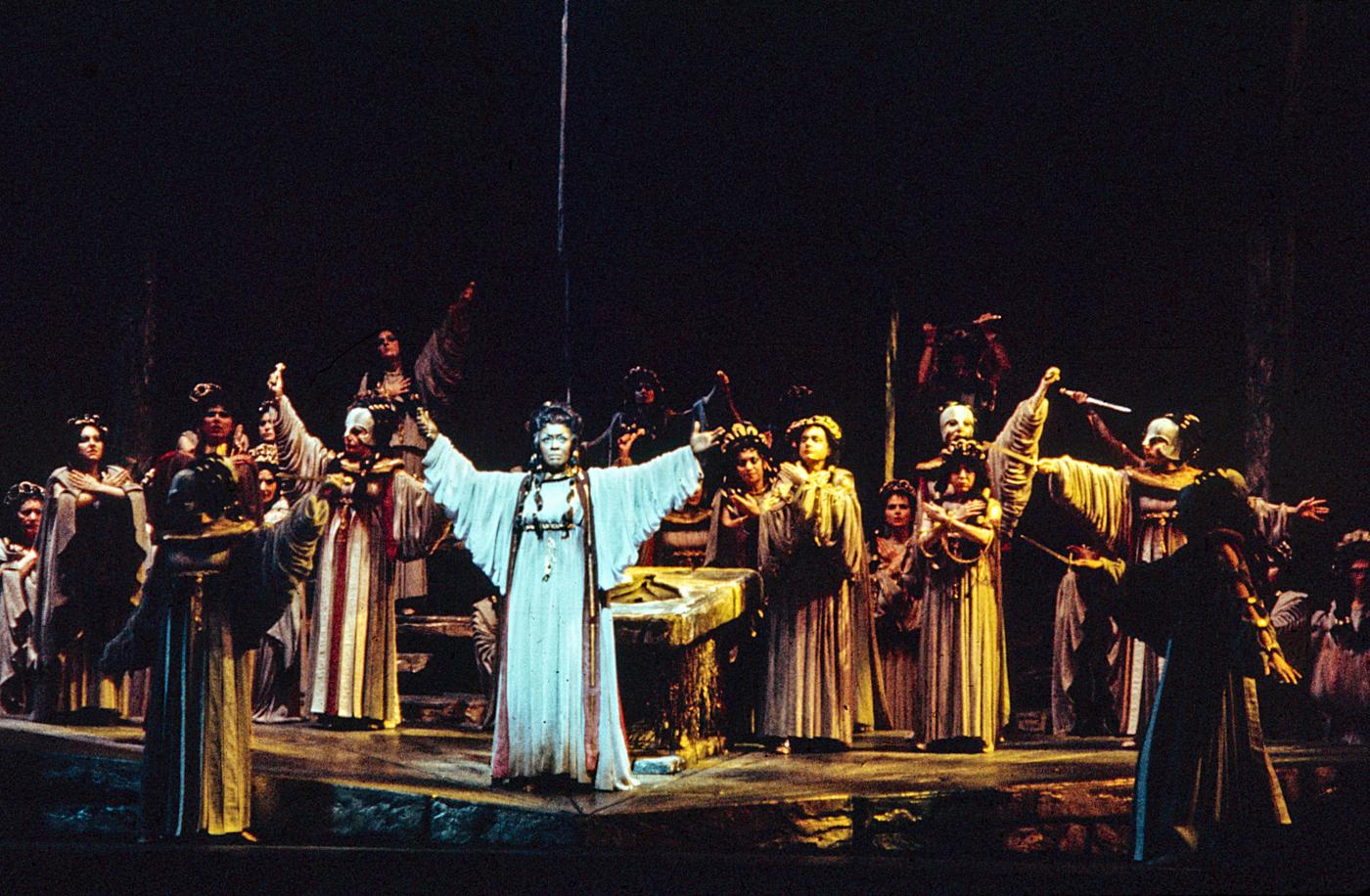
Rounding out the month on February 28 (and continuing on March 7), is Hector Berlioz’s 2-part epic, Les Troyens. This is French grand opera – large sets, elaborate costumes, a complex story, expansive chorus and orchestration – and Berlioz’s most ambitious work. It dates from the mid-1850s and includes the elements that fascinated Berlioz, like grandeur, battle, sacrifice, ceremony and tender love scenes. He based Les Troyens on Virgil’s Latin poem Aenid, which recounts the saga in the aftermath of the ancient Trojan War of Greek mythology. Part 1 of the opera follows the hero Aeneas (Énée in Berlioz’s French libretto) as he flees the fall of Troy and becomes destined to found the City of Rome. Part 2 of the opera, which will be broadcast on March 7, picks up with Énée’s life in Rome and the unfulfilled tragic love story between Énée and Didon, the Queen of Carthage. We also know this pair as Dido and Aeneas. The Met’s Music Director, Yannick Nézet-Séguin, chose a 1974 Met production to spotlight its conductor, Rafael Kubelik, renowned for his warm and emotional interpretations, and his belief that humanity could be improved through music and other artistic endeavors.
Enjoy these magnificent and storied “Artist’s Choice” performances, broadcast live and streaming Saturday afternoons at 1:00pm (ET) on WETA Classical’s Opera Matinee.
PBS PASSPORT
Stream tens of thousands of hours of your PBS and local favorites with WETA+ and PBS Passport whenever and wherever you want. Catch up on a single episode or binge-watch full seasons before they air on TV.