Starting this March 2026, WETA+ streaming service will present episodes of Masterpiece Classic’s anthology Downtown Abbey, the wildly popular television series that chronicled the Earl of Grantham and his family and domestic staff in the sprawling Downton Abbey estate in post-Edwardian England. This sweeping saga sweep from the late 19th century, with its emphasis on formality, tradition and conventional social structures to the post World War I years of the early 20th century, with the emergence of democratic ideals and changes in societal classes, culture and politics.
Music played a major role in the series. John Lunn’s score reflected the societal changes of the time; it lent an historical context and gave us insight into the characters’ emotions and thoughts. Sometimes, though, the music of Downton served as entertainment within the plot, like the Strass waltzes that the family and guests danced to in Downton’s grand ballroom, or the opera arias sung by vocalists who visited the home to entertain guests, or even the jazz-edged dances that filled the nightlife from the town’s clubs and speakeasies.
To celebrate the series launch on WETA+, we thought it would be interesting to speculate about the music that the main characters of the aristocratic Crawley family and household domestic staff might choose for their own personal playlists. What music would they be drawn to?
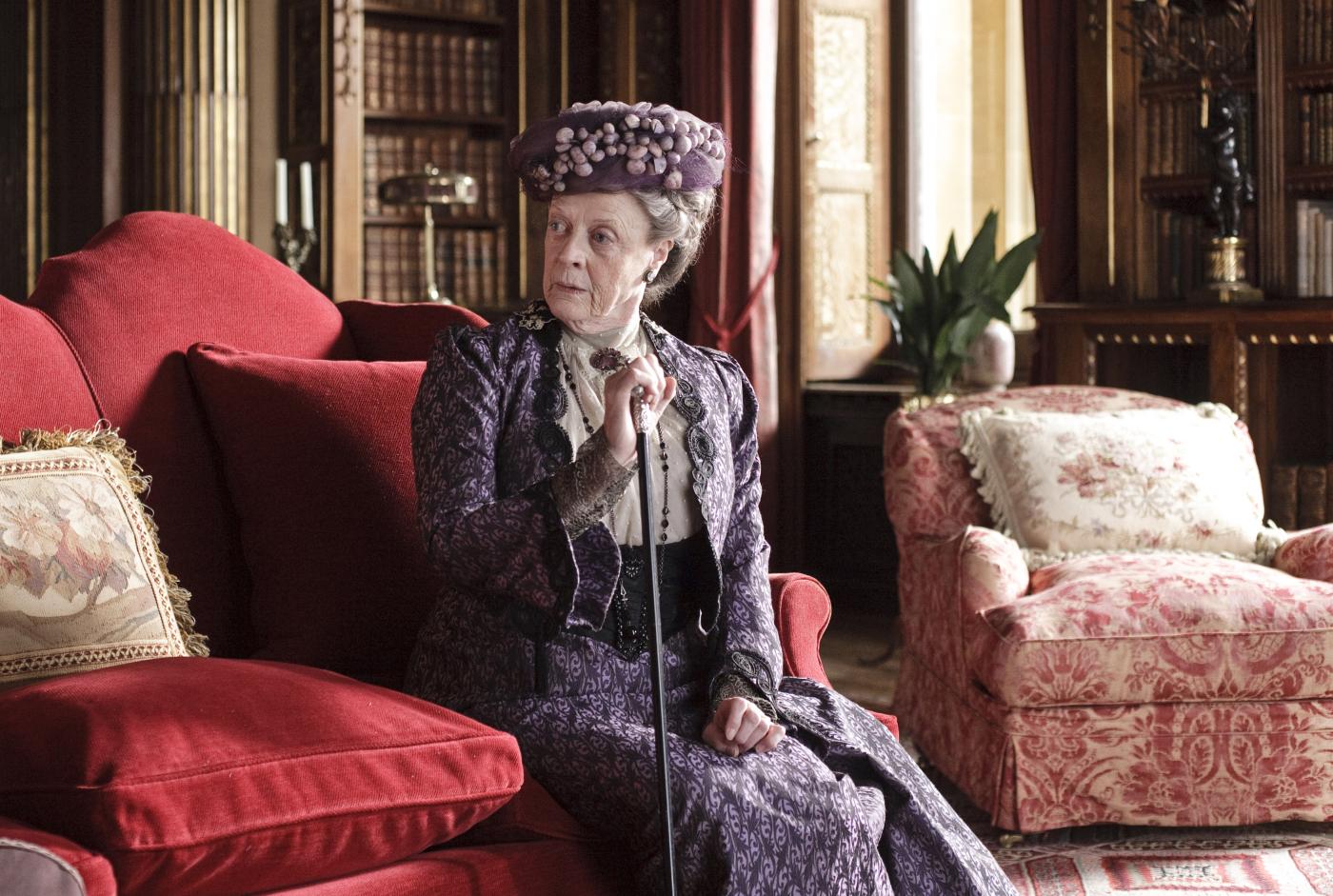
Let’s start with the Crawley family matriarch, Violet Crawley, the Dowager Countess, also known as Granny. Violet was a staunch conservative in custom, manners, culture and clothes; her life’s frame of reference was Victorian and Edwardian England. So I suspect her tastes would run toward traditional sounds, perhaps Joseph Haydn’s string quartets and the lieder of Franz Schubert, such as his melancholic “Nacht und Träume” (Night and Dreams). Violet’s acerbic sense of humor might also draw her to the playful comedy and lovely arias of Mozart’s operas, like The Marriage of Figaro, although probably not the opera’s gentle poke at aristocracy.
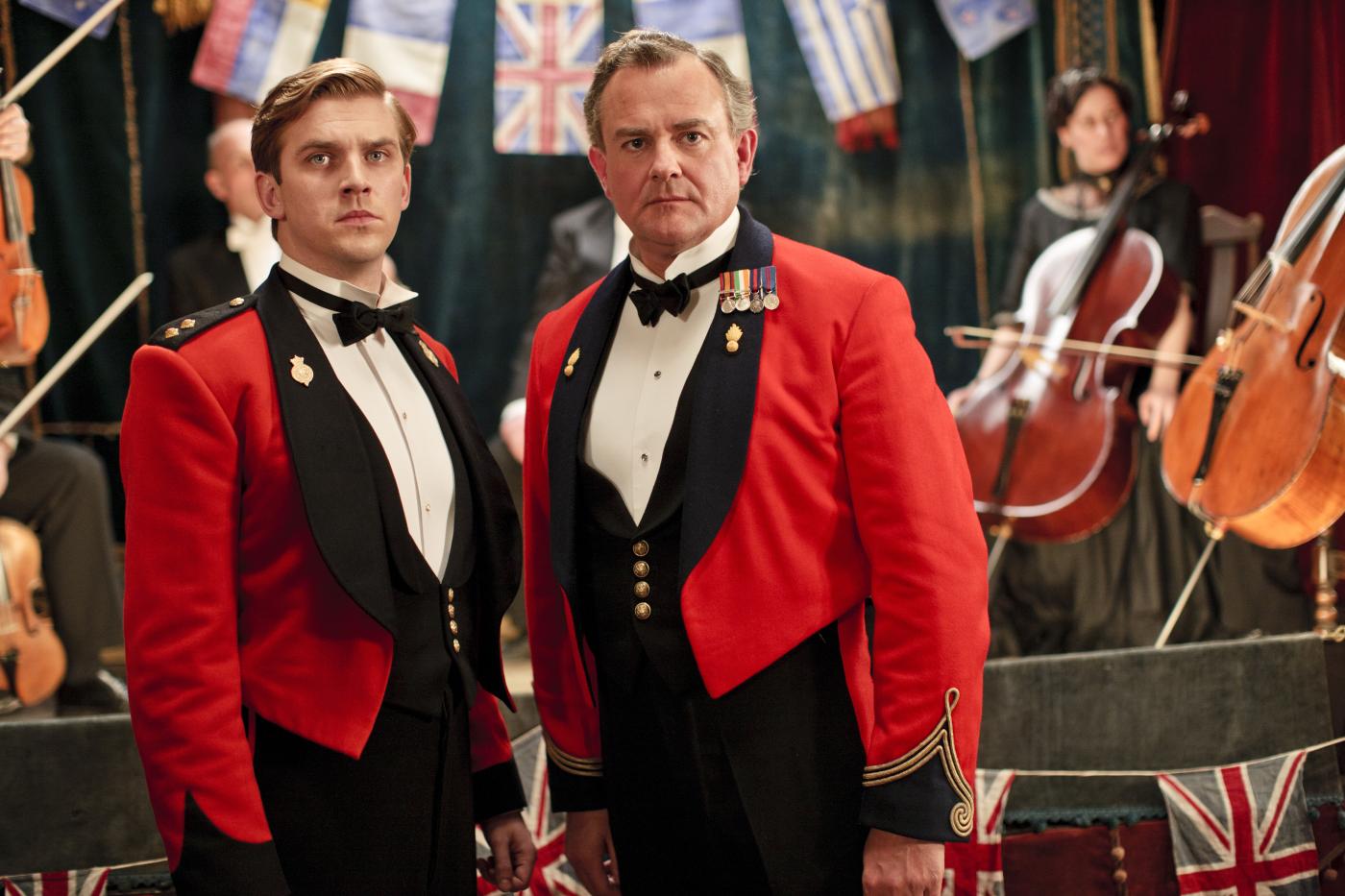
Violet’s son, Robert Crawley, 7th Earl of Grantham, was a traditionalist like his mother, having come of age in the Edwardian era. But Robert also had a practical nature that accepted new ideas, albeit reluctantly. Robert would have embraced the power and majesty of Beethoven’s Fifth and Sixth (Pastoral) Symphonies, along with Brahms’s Violin Concerto and the music of England that so beautifully represented the English soul and countryside: The Lark Ascending and Fantasia on a Theme by Thomas Tallis by fellow Englishmen Ralph Vaughan Williams. Robert would stop short, however, of the more daring sounds of his contemporary Benjamin Britten.
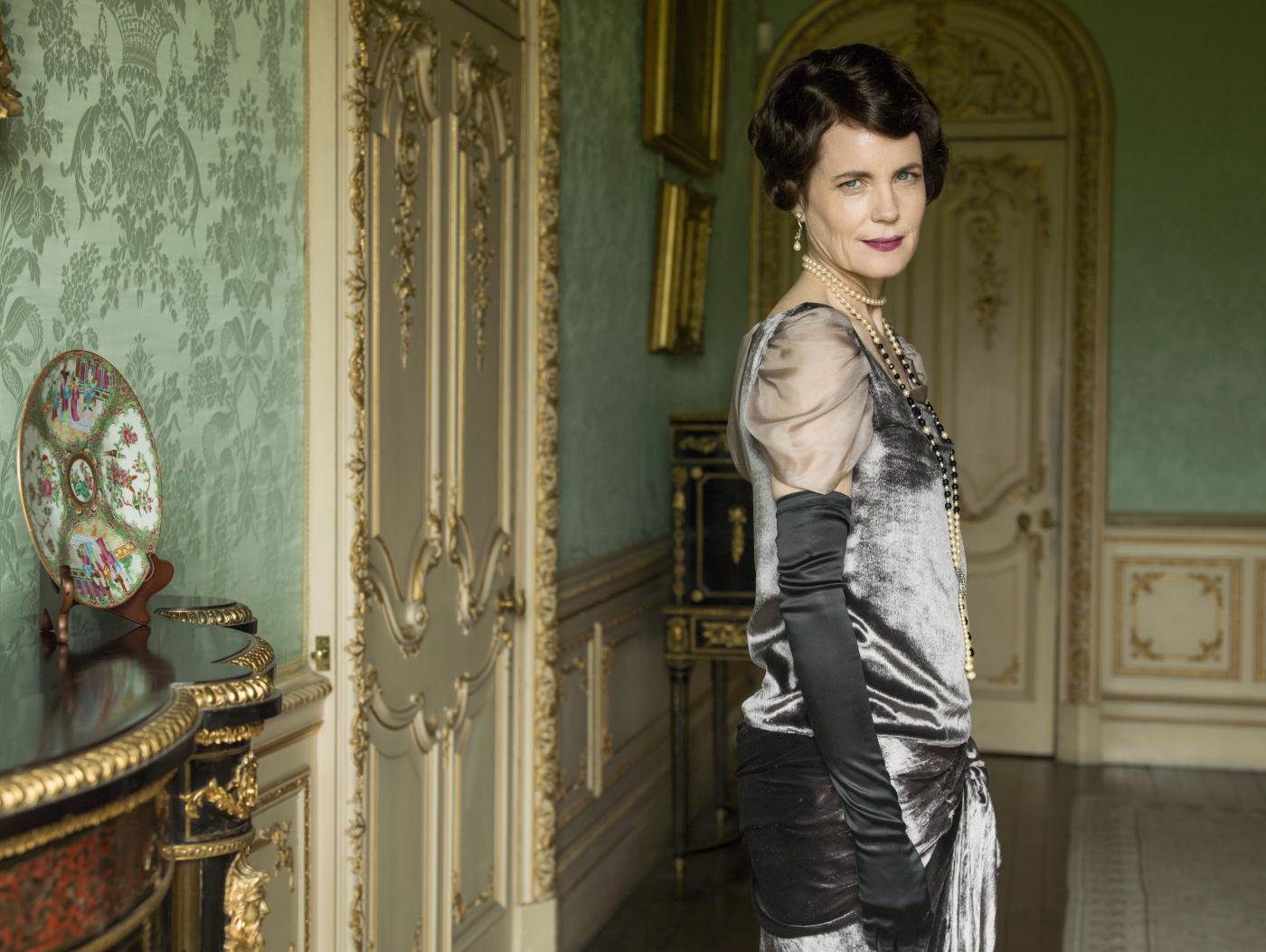
With Robert’s wife, Cora Crawley, Countess of Grantham, we get a taste of America. Cora was an heiress from a wealthy New York family, brought to England to marry Robert to ease the Crawley family financial difficulties (although the two grew to love each other.) Cora’s easy demeanor fit well within the culture of Downton, so she probably would have shared Robert’s playlist. But Cora also had her own mind. She might have leaned toward the American music of her 19th century youth – songs by Stephen Foster like Camptown Races and Jeanie with the Light Brown Hair, the Rhapsody in Blue by fellow New Yorker George Gershwin and kletzmer music brought by Central and Eastern European immigrants to America.
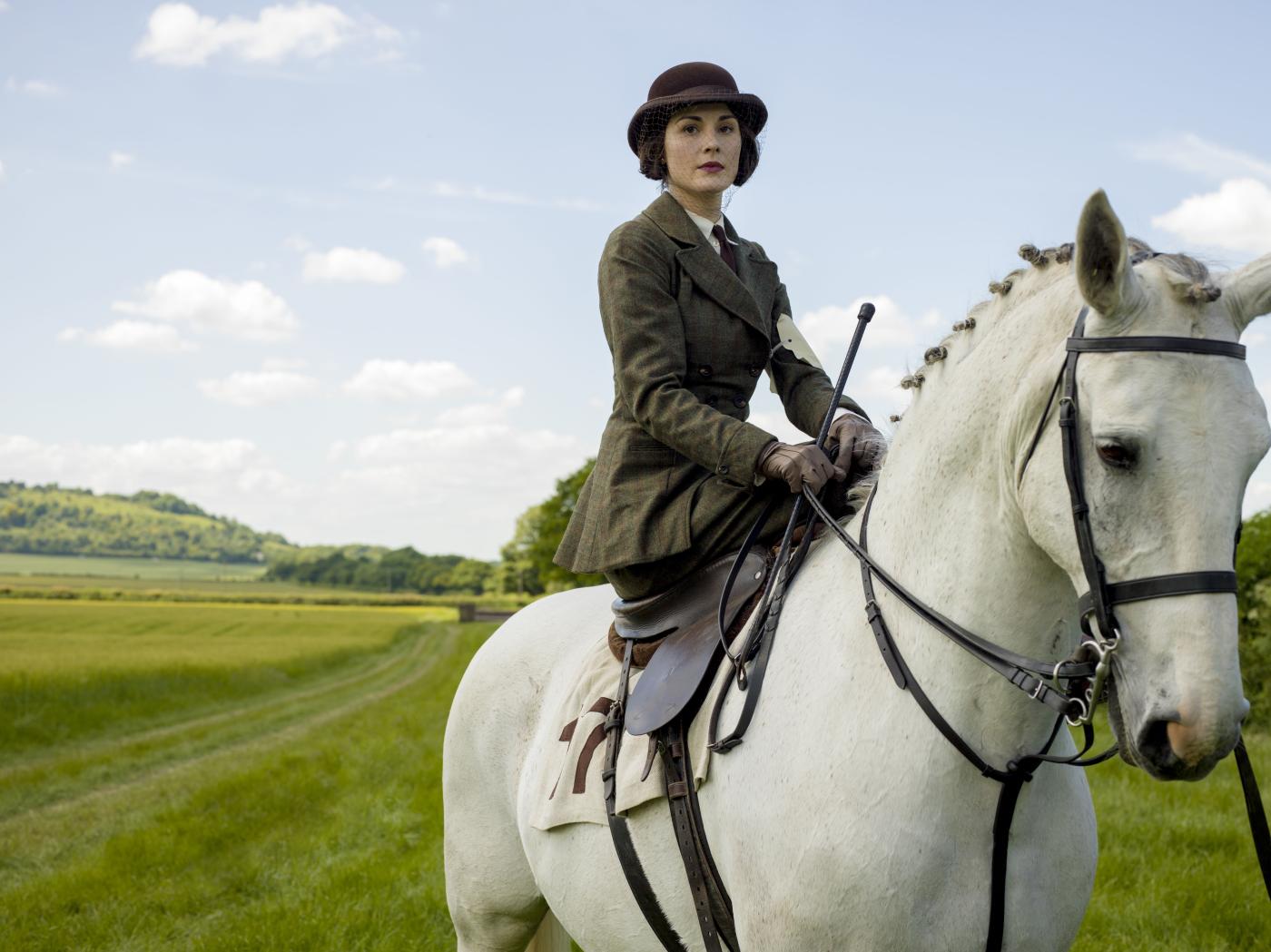
Lady Mary Crawley, the Earl’s and Cora’s daughter, is arguably the most interesting and pivotal character in the Downton Abbey series. She comes of age during the First World War and matures during the 1920s, a time of cultural shifts and the rise of the middle class. With her elevated and sophisticated bearing, Lady Mary would be drawn to the piano quintets of Mozart and Gabriel Fauré. But her acceptance of modern lifestyles, her practicality, and her easy embrace of the role of businesswoman for Downton’s business affairs would lead her to explore new sounds, so her playlist might include exciting Roaring Twenties Jazz Age sounds emerging from America, with its embrace of African-American idioms and a culture of emancipated Flappers. Songs like Duke Ellington’s “A Train” and “Mood Indigo”, as well as American in Paris by George Gershwin would have been part of her eclectic playlist.
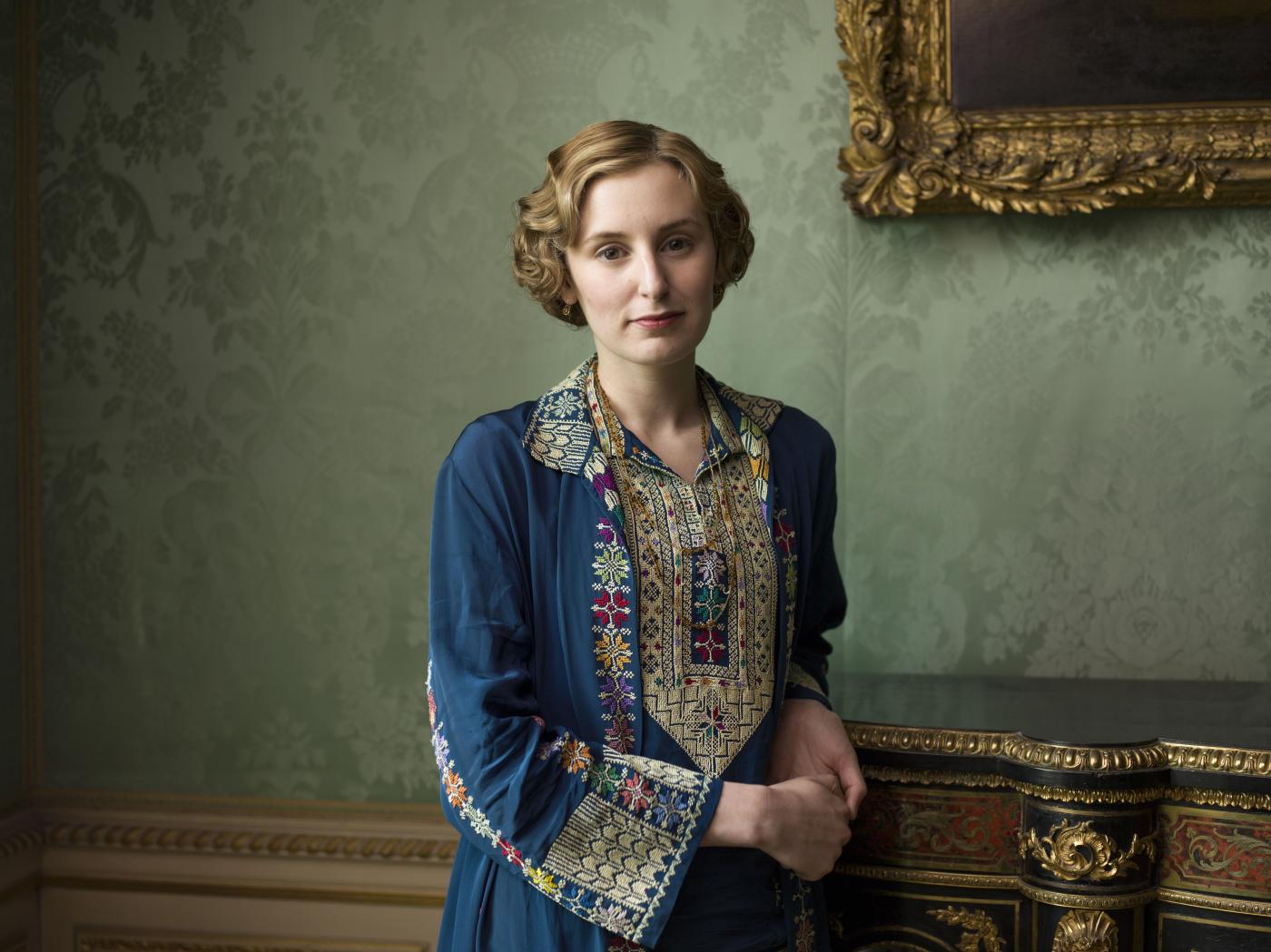
Lady Mary’s sister, Edith Crawley, had a similar journey from conventionality to modernity, taking on a journalistic career while managing the traditional roles of wife and mother. As the series progressed, so did Edith’s liberalism. We saw her cut the rug with New Orleans ragtime and Dixieland jazz, so these Jazz Age sounds would be included in her playlist, along with delicate offerings like Maurice Ravel’s Jeux d’eau (Water Games) and Claude Debussy’s sensuous Prelude to the Afternoon of a Faun – those would agree with the elegant side of her personality.
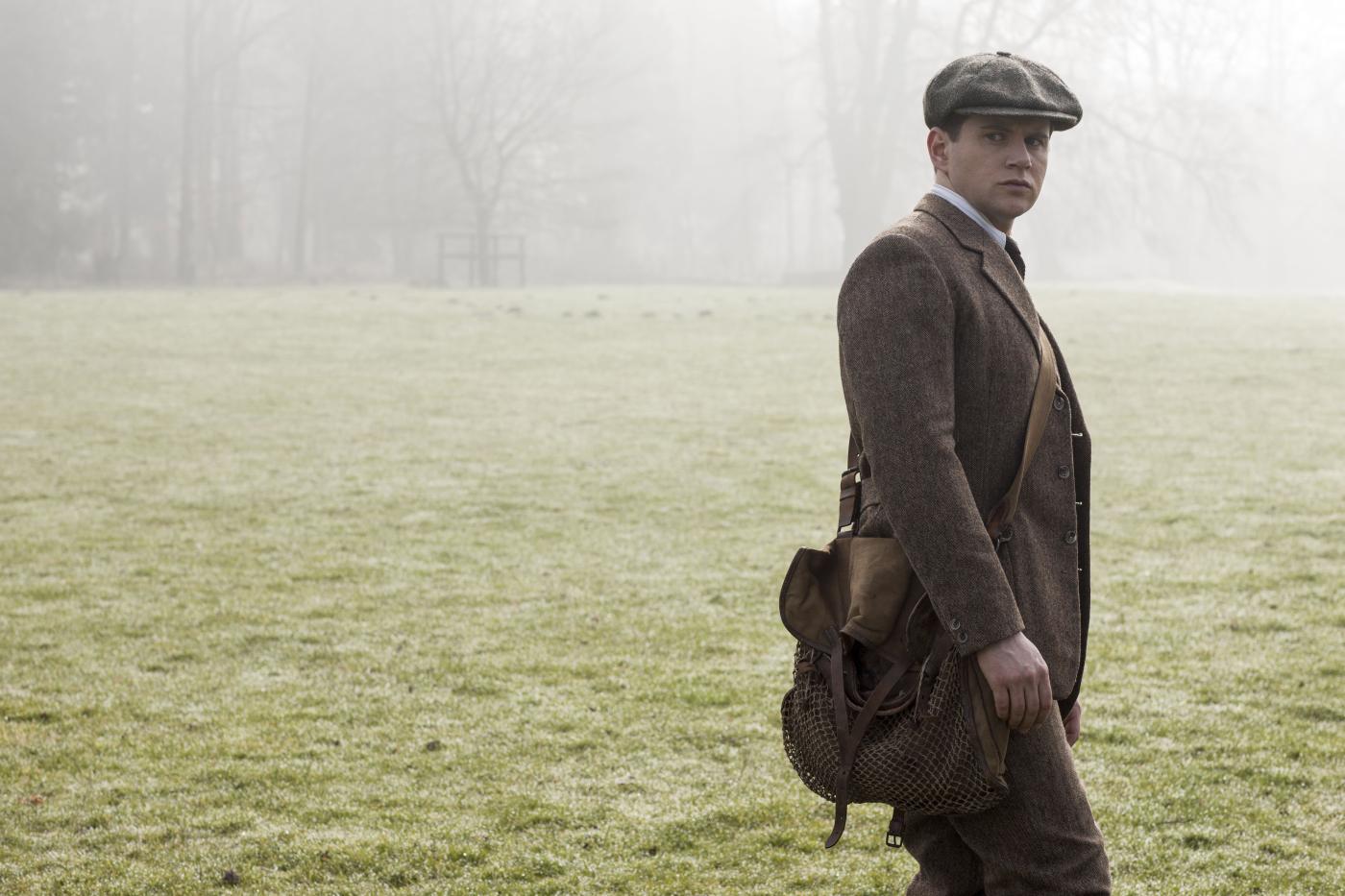
The sisters’ brother-in-law, Tom Branson, started the series as a fervent Irish nationalist and republican before marrying into the Crawley family. Over the course of series, Tom grew to love the family, although didn’t always agree with them and often served as their moral compass. Tom possessed an open mind balanced with a sense of equality and fairness, so I think he’d be drawn to the symphonies of Beethoven because of the composer’s philosophy of the unity of man through music. Tom’s playlist would also include Irish ballads and folk songs of his youth, like the “Londonderry Air” (“Danny Boy”) and Ireland’s resistance ballads, “The Rising of the Moon” and “The Minstrel Boy”.
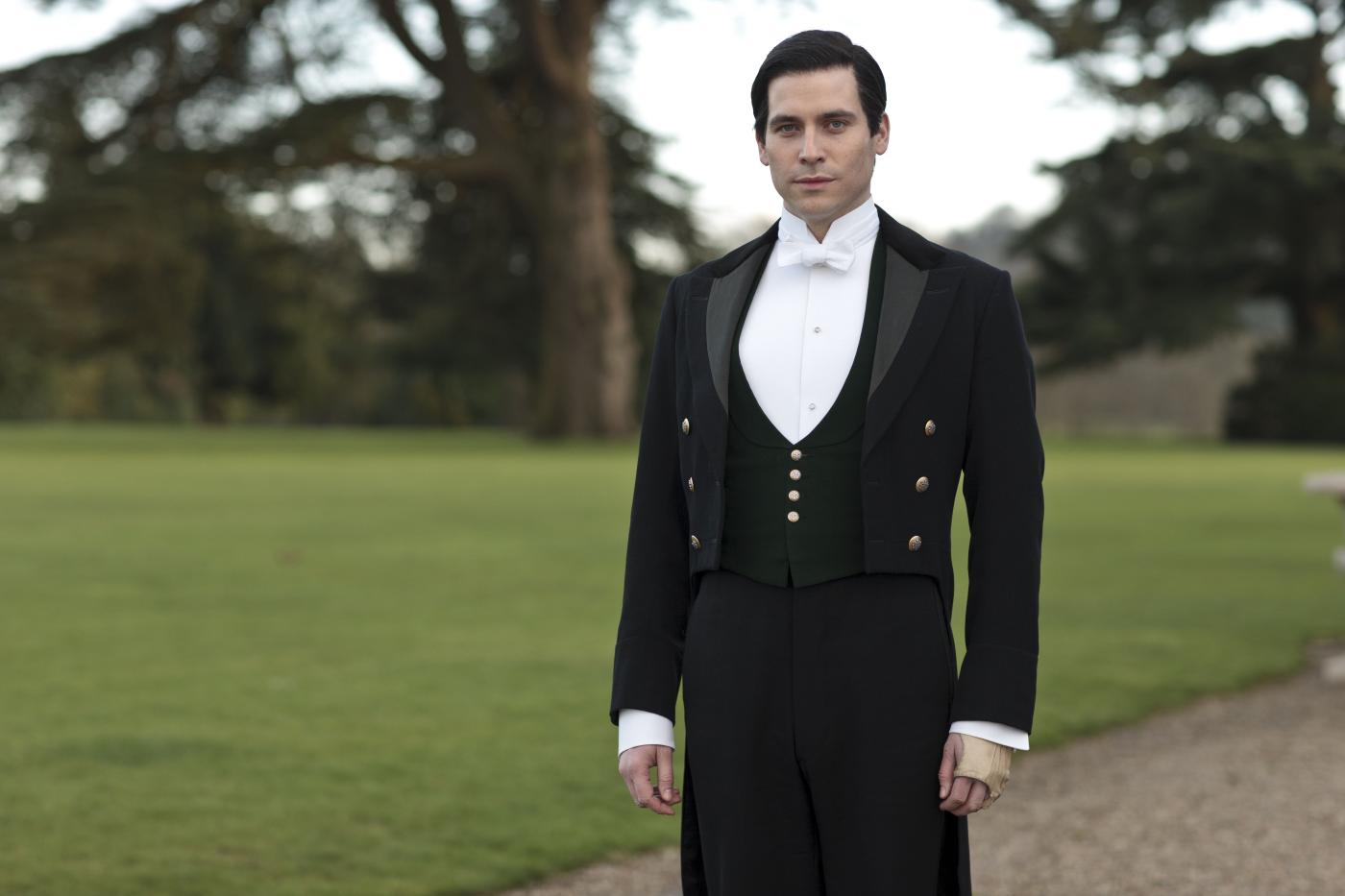
As the series progressed, so did the demeanor of Thomas Barrow, who started at Downtown as an embittered footman and rose through the ranks to became the home’s benevolent chief butler. Thomas kept his private life private, but he did indulge in the town’s club scene with its swing bands and general frivolity while on break from the formality of Downton. So it’s probable Thomas’s playlist would include Louis Armstrong’s “West End Blues” and Jelly Roll Morton’s “Jelly Roll Blues”.
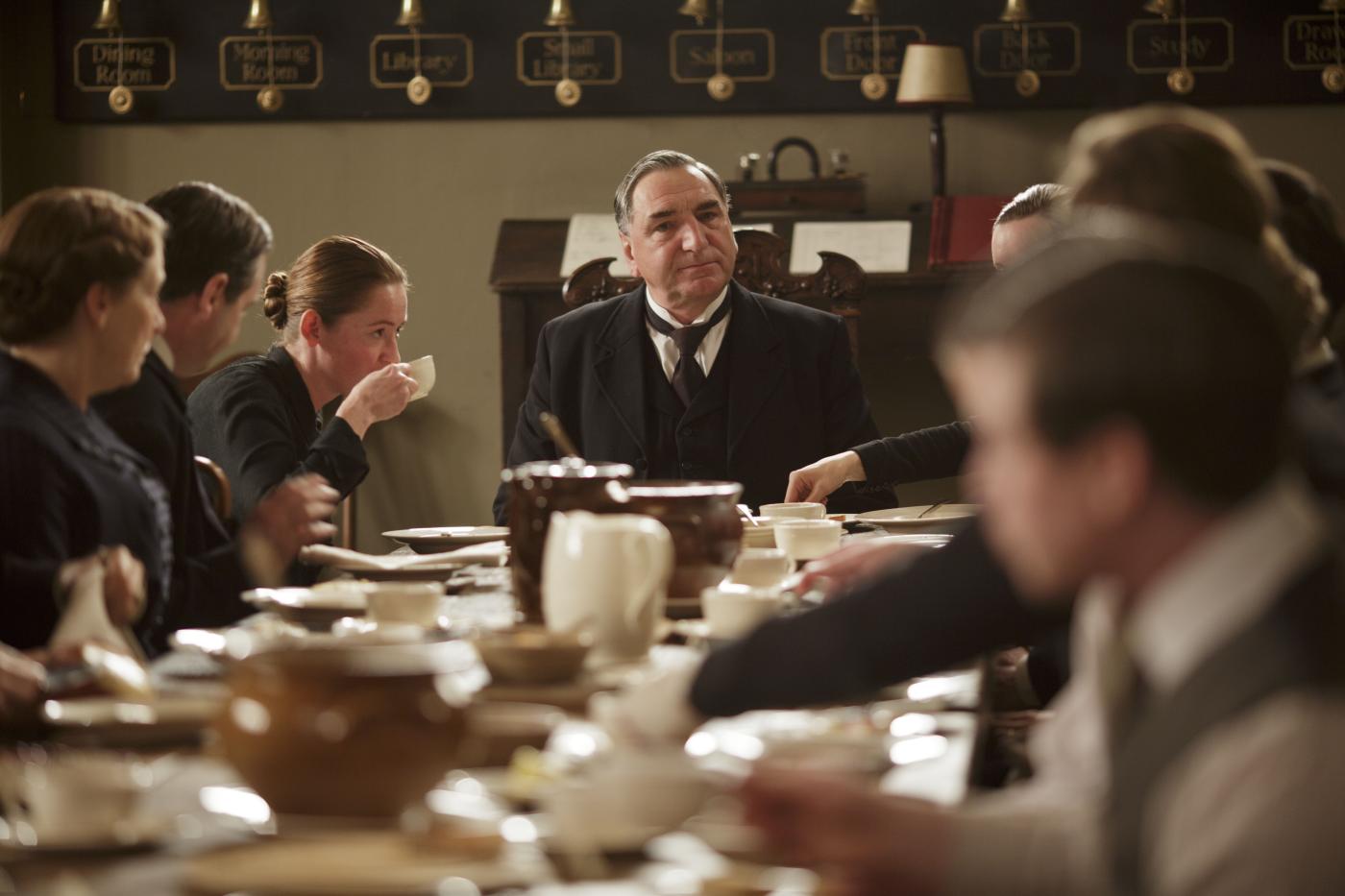
The “downstairs” lives of Downton Abbey’s domestic staff were as endearing and challenging as the lives of the aristocracy they served on the higher floors. They may not have had the same opportunities to experience the higher reaches of art music as did the Crawley family, but their sentiments and joys ran deep. I suspect music played an important part of their recreational lives. The original and very loyal butler, Mr. Carson, and his wife, the kindhearted housekeeper Mrs. Hughes, each conventional in outlook and personality, would probably choose the patriotic spirit of Edward Elgar’s Pomp and Circumstance and delightful duets of Gilbert and Sullivan operettas, like “On A Tree by the River” and “Three Little Maids” from The Mikado. Other members of Downton’s domestic staff, including chief cook Mrs. Patmore, valet John Bates and lady-in-waiting Anna Bates, probably had musical tastes rooted in the lovely folk songs and ballads of the British Isles: “Scarborough Fair,” “Greensleeves” and “Blow the Wind Southerly”.
As we enjoy this series afresh on WETA+, we’ll have another chance to savor the musical lives of the Downton Abbey characters we have come to know and love.
PBS PASSPORT
Stream tens of thousands of hours of your PBS and local favorites with WETA+ and PBS Passport whenever and wherever you want. Catch up on a single episode or binge-watch full seasons before they air on TV.