Musicians and music-lovers alike are saddened by the death of Michael Tilson Thomas, who died at his San Francisco home on April 22, 2026 after suffering from an aggressive form of brain cancer. He was 81.
Each musician puts his or her own personal stamp on interpretation – our personalities, predilections, background and ideas all come into play. Maestro Tilson Thomas’s performances were typically characterized with a strong sense of enthusiasm and love, yet always polished and precise.
His musical pedigree is vast and deep, starting with his childhood in Los Angeles within an impressive family of musicians and performers that included grandparents who were pioneers in the Yiddish Theater America and parents who had careers in the entertainment and music life of Los Angeles.
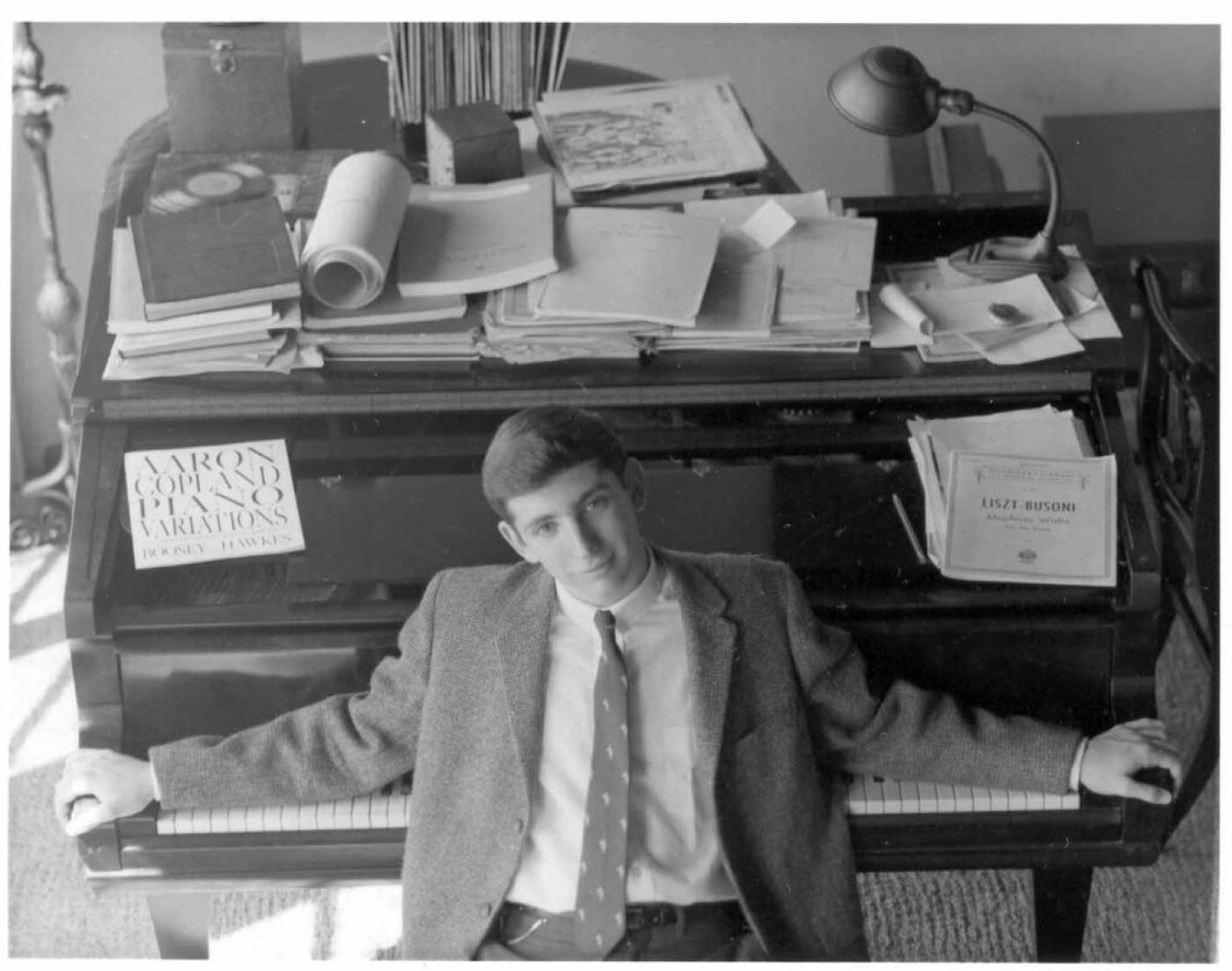
Tilson Thomas was considered a child prodigy. He spent his childhood immersed in serious music and became a pianist. But his interest in conducting took hold at age 19, when he became a conductor of youth orchestras in California. At USC, Tilson Thomas worked as a pianist with renowned names of the 20th century Classical music world: Heifetz, Piatigorsky, Stravinsky, Boulez and Copland. His collaborations with Leonard Bernstein starting in 1968 opened new doors, and Bernstein became an avid supporter of the young conductor. Tilson Thomas's strong and steady rise through the professional conducting world started with the Buffalo Philharmonic in 1971, followed by leadership positions with the Los Angeles Philharmonic and the London Symphony Orchestra. In 1987, he co-founded the New World Symphony, an orchestral academy in Miami Beach devoted to preparing young musicians of diverse backgrounds for leadership roles in Classical music.
It was his Music Directorship of the San Francisco Symphony, starting in 1995, that proved to be the pinnacle of his impressive career. During his tenure there, Maestro Tilson Thomas championed new works, enhanced the orchestra's profile and its polish, and brought it to international acclaim. The San Francisco Chronicle called his career in San Francisco "one of the most successful and sustained partnerships between an orchestra and a music director that the American symphonic landscape has yet seen."
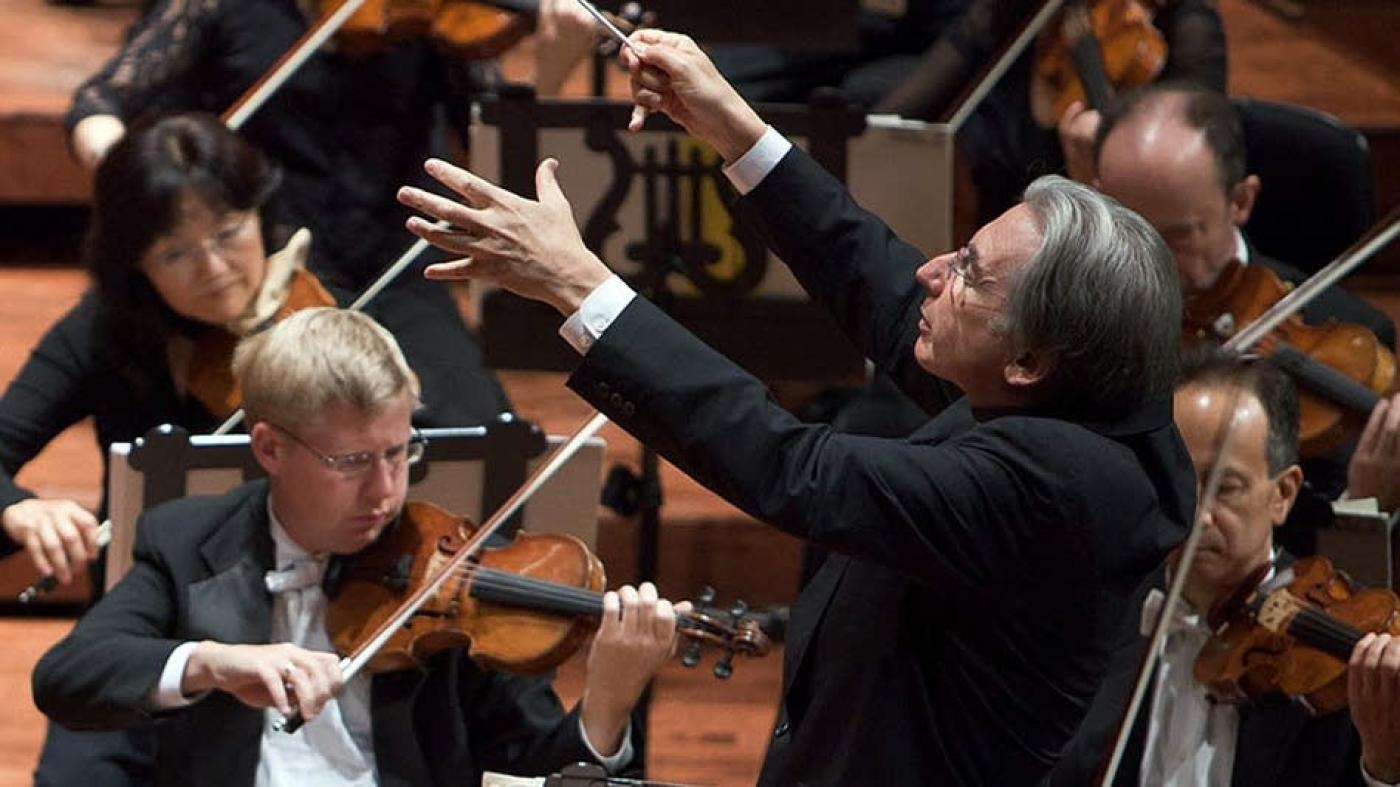
But his musical life wasn't restricted to the podium. From a young age he took over broadcasts of Leonard Bernstein's Young People's Concerts, and like Bernstein, he enthusiastically embraced television, the recording studio, the web and personal speaking engagements to engage new and young audiences.
His career encompassed a wide range from standard Classical repertoire to contemporary American composers. He was known for his interpretations of Mahler's symphonic works but was equally at home performing popular music. And he composed music, too, including From the Diary of Anne Frank and Meditations on Rilke. He toured internationally, recorded extensively and earned numerous Grammy Awards. In 2019, Maestro Tilson Thomas was a Kennedy Center Honoree.
His early conducting years weren’t without controversy. His confidence as a young conductor appeared overly bold to many, and he wasn't shy about voicing his demands to fellow musicians. To some, his certainty about interpretations was deemed inflexible. Yet as he matured, his grasp of music, what it means and how to achieve it, crystallized. He earned him solid respect among musicians and became beloved to orchestra members.
In an interview with the Guardian in 2012 Maestro Tilson Thomas said, "The most important thing about music is what happens when it stops, what remains with the listener, what they take away. A melody, rhythm, some understanding of another person or another culture. The way those experiences add up, in the soul of a person over the years, is the biggest prize classical music possesses."
I had the opportunity to work briefly with Maestro Tilson Thomas many years ago when he guest conducted a weekend of concerts with the Pittsburgh Symphony. As a young staffer in the Public Relations Office, I was asked to show Maestro Tilson Thomas around the concert hall's backstage area. I recall him as cordial but what particularly struck me was his intensity. It was obvious that, as we talked, his mind was on the music mulling in his brain from that morning's rehearsal -- in fact, he openly hummed the melody as I blabbered on.
It’s interesting to ponder what music a musician might choose to hear in his final moments. We can’t presume to know what Maestro Tilson Thomas would select, but I would hazard a guess that it would be a slow movement from one of Mahler’s symphonies, based on the Maestro’s obvious love and admiration for Mahler.
That intensity was a hallmark of the man and his musicianship. His relentless pursuit of art, his superb musicianship, his lifelong quest to understand how music affects humans, and the impeccable musical heights he reached will not be forgotten.
PBS PASSPORT
Stream tens of thousands of hours of your PBS and local favorites with WETA+ and PBS Passport whenever and wherever you want. Catch up on a single episode or binge-watch full seasons before they air on TV.