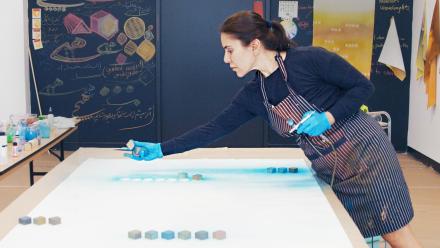
Maryam Taghavi: Estranged Letters
15m 4s
This short documentary traces the Iranian-American artist Maryam Taghavi's journey toward her first major solo exhibition — a body of work where abstraction, perspective, and Islamic culture converge.
15m 4s
This short documentary traces the Iranian-American artist Maryam Taghavi's journey toward her first major solo exhibition — a body of work where abstraction, perspective, and Islamic culture converge.
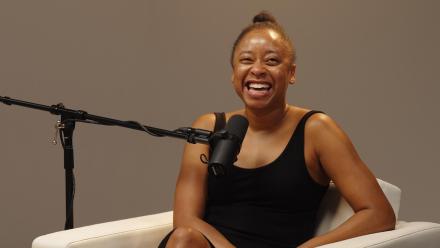
31m 45s
In this episode, Phoebe Robinson talks about her comedy special, "I Don't Wanna Work Anymore." She gives us a candid look into the full arc of her creative process, from spreadsheets to the comedy club. We talk about the convergence of art and commerce, the shortcomings of today’s comedy climate, and how to resist making “fast-food” comedy in pursuit of something greater.

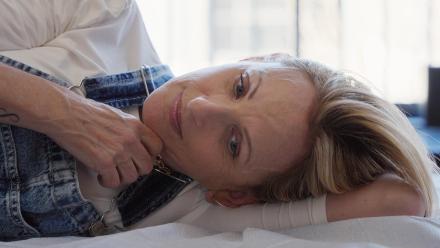
S39 E7 - 1h 36m
Learn about the life and career of 4-time Emmy nominee Marlee Matlin as she shares her story in her native American Sign Language. Known for roles in The West Wing and CODA, at 21 years old, Matlin became the first Deaf actor to win an Oscar.
Stream tens of thousands of hours of your PBS and local favorites with WETA+ and PBS Passport whenever and wherever you want. Catch up on a single episode or binge-watch full seasons before they air on TV.