One of the most entertaining aspects of classical music is that in its long and expansive history, we can find works describing just about anything in life from the annoyance of buzzing flies to the creation of the universe. In May’s NSO Showcase, airing May 6 at 9PM and streaming on-demand after the broadcast, we’ve chosen a theme of Sea, Earth and Heaven, featuring the National Symphony Orchestra, with Gianandrea Noseda conducting Mendelssohn’s “Hebrides” Overture, Beethoven’s “Pastoral” Symphony, Mahler’s 4th Symphony and Wagner’s Flying Dutchman Overture.
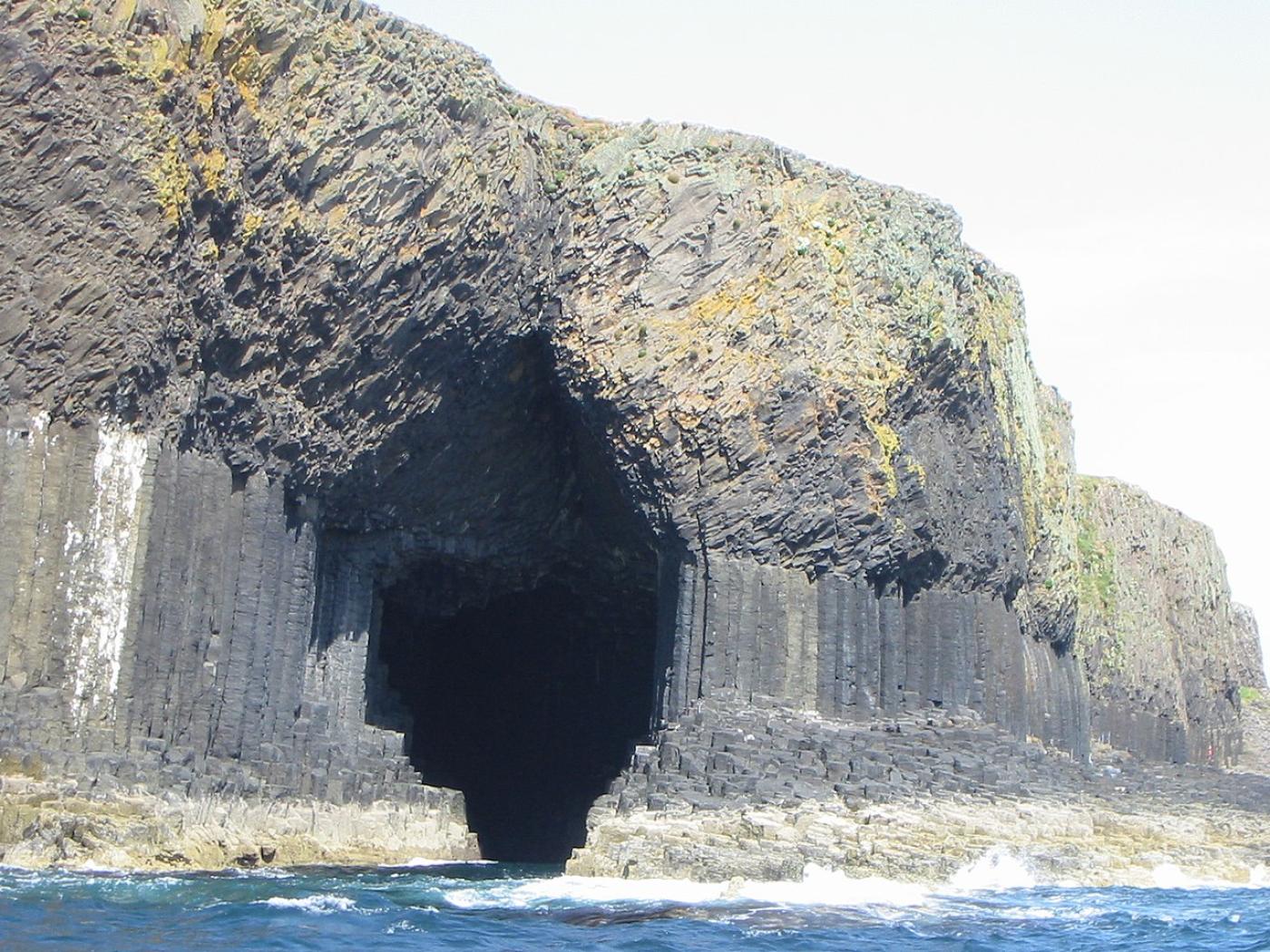
We begin at sea with Mendelssohn’s depiction of Fingal’s Cave in the Hebrides Island of Staffa, a bucket list destination for romantics in search of the sublime. As Mendelssohn wrote to his sister, Fanny, “in order to make you understand how extraordinarily the Hebrides affected me, I send you the following [the opening of the overture] which came into my head there.”
Beethoven's 6th Symphony, the “Pastoral” reflects the composer’s deep love of nature. He would have been an early adept of Shinrin-yoku, the Japanese therapy of forest bathing: “in the country every tree seems to speak to me saying ‘Holy! Holy!...my bad hearing does not trouble me here.”
Mahler’s 4th Symphony takes us beyond the earthly realm to heaven, viewed through the innocent eyes of a child.
Our Sea, Earth and Heaven program ends with a tale of the devil and the deep blue sea—Wagner's Overture to The Flying Dutchman, a stormy legend of a cursed sailor who is redeemed by the love of a faithful woman.
PBS PASSPORT
Stream tens of thousands of hours of your PBS and local favorites with WETA+ and PBS Passport whenever and wherever you want. Catch up on a single episode or binge-watch full seasons before they air on TV.