The wonderful thing about creativity is that it hits you when you least expect it, inspired by new experiences, new sights, and perhaps even a change in routine. It is no wonder that some of the most beloved melodies and works we love in the classical music repertoire were composed while composers were on vacation, traveling, or spending downtime in the countryside. It’s wonderful to think about our beloved composers on vacation for some R&R and in search of inspiration like many of us, and being so inspired to materialize some of their smash hits. Here are some examples of glorious music sparked by composers enjoying new views, cultures, and perspectives.
Tchaikovsky in Italy
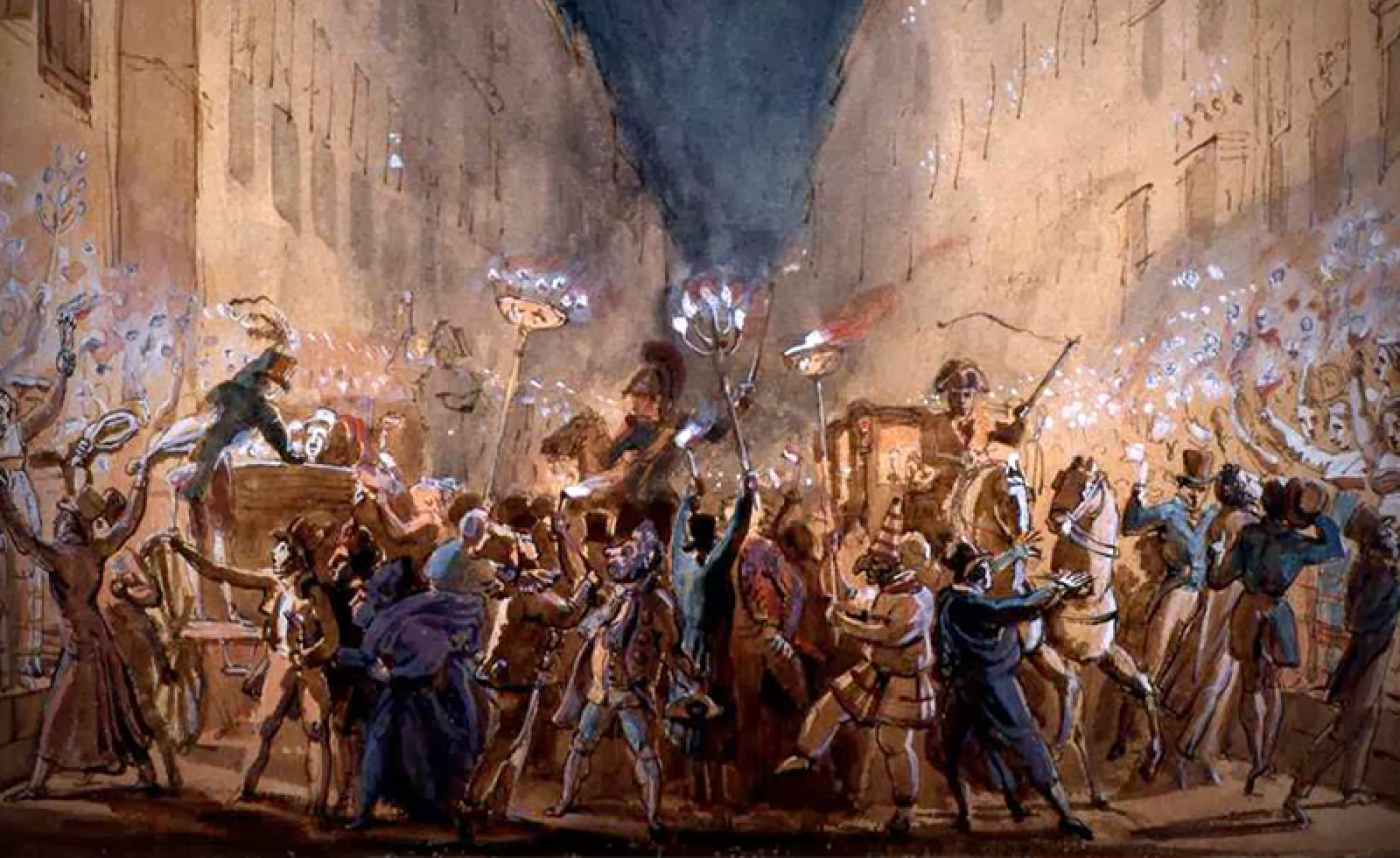
Italy might be Tchaikovsky’s favorite destination for R&R and inspiration. He traveled multiple times to Rome and Florence, and he frequently wrote about his admiration for the people and vibe of the country in his letters. During his third visit to Rome in the winter of 1879-80, he was inspired to compose Capriccio Italien during the height of Carnival. He wrote to his friend and patron Nadezhda von Meck, “When you carefully look at the public raging on the [Via del] Corso, you are convinced that no matter how strangely the joy of the local crowd manifests itself, it is nevertheless sincere and unconstrained,” Tchaikovsky mused. “[It] is inhaled in the local air, warm, caressing. Such days are wonderful!”
Florence was another favorite of Tchaikovsky, visiting there on eight occasions, sometimes staying for a long period of time. The wonderfully wistful waltz we enjoy in his otherwise dark fifth symphony is based on a street tune he heard a boy sing in Florence. His opera Queen of Spades was composed during his final trip to Florence, with composition starting on the first full day of his stay. His sextet Souvenir de Florence was also completed after this last trip to Florence, inspired by the memorable tunes he heard there, thus the namesake.
Mendelssohn in Scotland
A three-week trip to Scotland in the summer of 1829 for the 20-year old Felix Mendelssohn resulted in two of classical favorites – the Hebrides Overture and the Scottish Symphony.
Mendelssohn wrote extensively in letters about his visit to the rugged ruins of Holyrood: “We went, in the deep twilight, to the Palace of Holyrood, where Queen Mary lived and loved. There’s a little room to be seen there, with a winding staircase leading up to it. This the murderers ascended, and finding Rizzio, drew him out. Three chambers away is a small corner where they killed him. Everything around is broken and moldering, and the bright sky shines in. I believe I found today in the old chapel the beginning of my Scottish Symphony.”
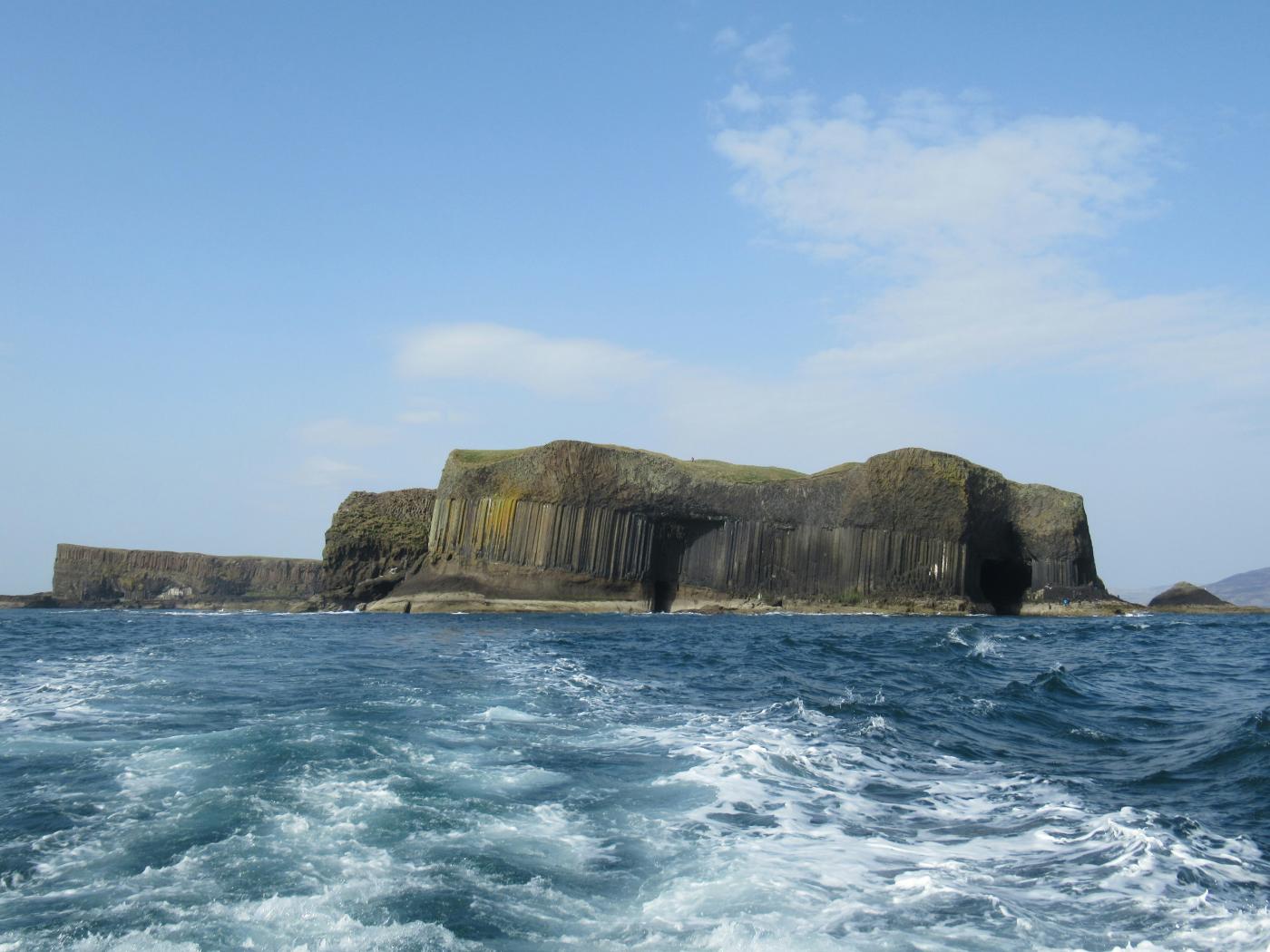
He also traveled to Hebrides Islands off the west coast and visited the island of Staffa - known for its puffins and its atmospheric Fingal’s cave. The echoing acoustics emphasized the sound of the waves which made a deep impression on Mendelssohn. He later sent a postcard to his sister Fanny with a sketch of the work's opening theme, saying: "In order to make you understand how extraordinarily the Hebrides affected me, I send you the following, which came into my head there."
Gershwin in Paris
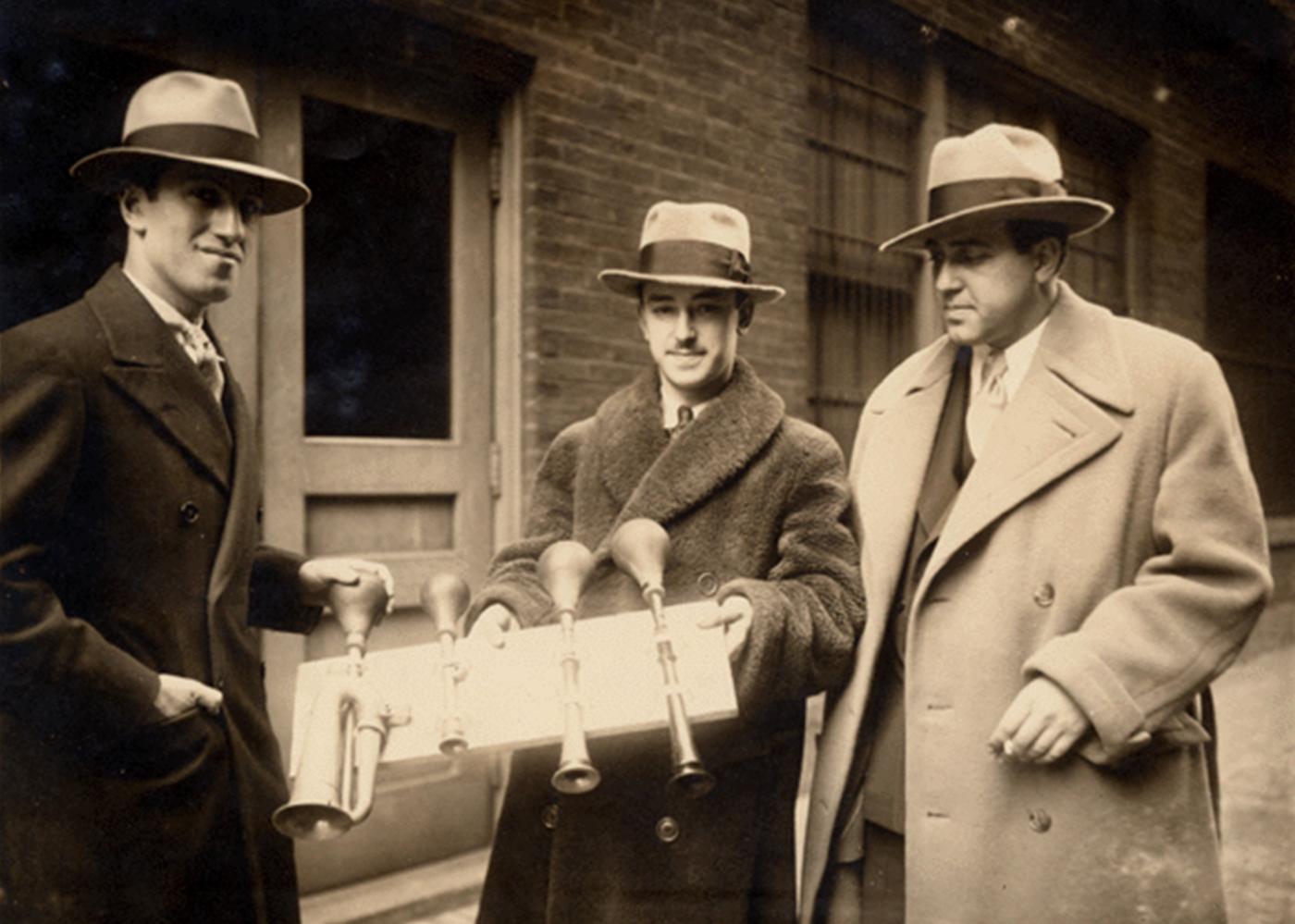
Gershwin traveled to Paris in 1926, fixated on the idea of studying with Ravel. To his dismay, Ravel denied his request in attempts to safeguard Gershwin’s original genius from the downsides of rigorous classical training, saying “Why be a second-rate Ravel when you can be a first-rate Gershwin?” This trip was not a total loss – Gershwin went on a shopping quest for Parisian taxi horns as a souvenir, and found the inspiration for his next major work – An American in Paris. Gershwin described the work as capturing “the impressions of an American visitor in Paris as he strolls about the city, listens to the various street noises, and absorbs the French atmosphere”. It appears as though Ravel’s instincts were right! Gershwin went to Paris to improve his compositional techniques and came home with a lasting masterpiece being true to himself.
Dvořák in America
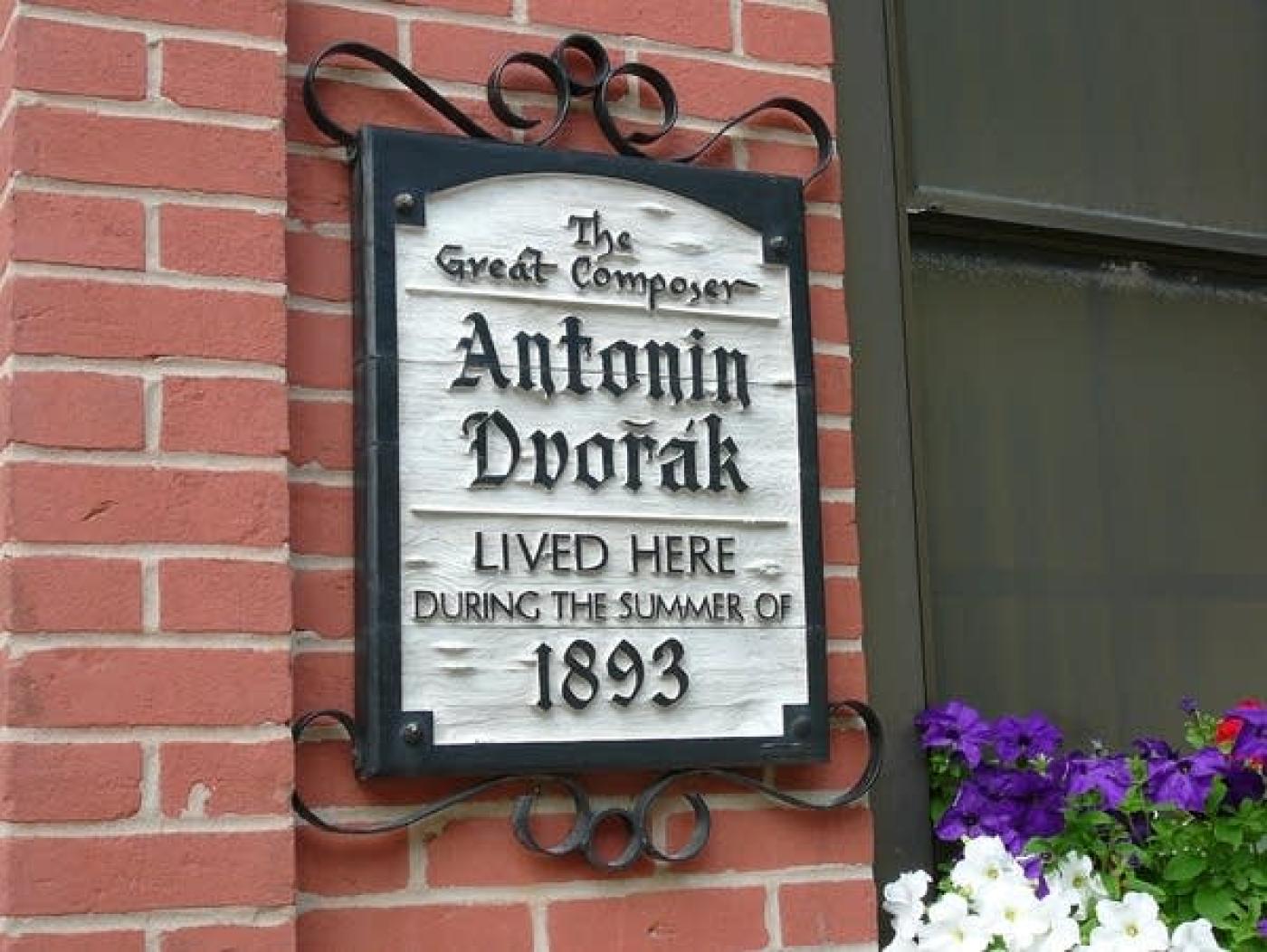
Dvořák spent three years in America as the director of National Conservatory of Music in New York. During this time, he was fascinated by the music of America, especially that of African Americans and Native Americans, resulting in no other than the New World Symphony. He spent the summer of 1893 in the Czech farming village of Spillville, Iowa with his family which proved to be inspirational for him, producing his “American” Quartet and his Quintet in E-flat major, all with unmistakable American themes.
Schumann in Rhineland
Robert and Clara Schumann and their children moved to Düsseldorf in the Rhineland region of Germany in 1850 when Robert took on the role as the city Music Director. He was celebrated by the city in his new role, but their lodgings appeared to be less than desirable. Clara wrote “the incessant street noises, barrel-organs, screaming brats, wagons, etc.” disrupted Robert’s composing and that he had “house anger” (many of us can relate to that!). A month after their arrival to the new city, the family took a day trip to Cologne to see a recently finished cathedral (construction began in 1248) which Robert dreamed of seeing for a long time. The visit inspired him to write his Symphony No. 3 “Rhenish” which captures the euphoric beauty and splendor of the Rhineland region. He started composing soon after the first visit, completing the whole symphony after a second visit to Cologne a few months after. He was so moved by seeing the cathedral “in the flesh” that he dedicated the fourth movement of his Rhenish symphony to the towering cathedral.

PBS PASSPORT
Stream tens of thousands of hours of your PBS and local favorites with WETA+ and PBS Passport whenever and wherever you want. Catch up on a single episode or binge-watch full seasons before they air on TV.