As a teenager, I loved The Doors’ Alabama Song but had no idea that it was their interpretation of a Kurt Weill song. For Maurice Lugassy, the song was the beginning of a lifelong fascination with Kurt Weill. Maurice Lugassy is a faculty member of Canto Vocal Programs, an organization dedicated to training future musicians from around the world. Since last year, Canto has offered a summer festival to showcase the artistry of their students. One of the highlights of this summer’s festival is a 2-part series of concerts around the life and music of Kurt Weill, narrated by Maurice Lugassy. The first program, July 18 at 7 pm, is titled “I’m a Stranger Here Myself—A Kurt Weill Cabaret” and will take place at the Dreamscapes Performing Arts Center in Sterling, Virginia. The second, titled “Kurt Weill: The Wandering Jew—From Berlin to Broadway, Music, Exile and Hope” is scheduled for July 20th at the Pozez Jewish Community Center of Northern Virginia.
M. Lugassy was kind enough to take the time between flights from Paris, to tell us about Canto, the Festival and the special programs dedicated to Kurt Weill.
I first wanted to put the Kurt Weill concerts in context by asking M. Lugassy to explain the origin of Canto Vocal programs.
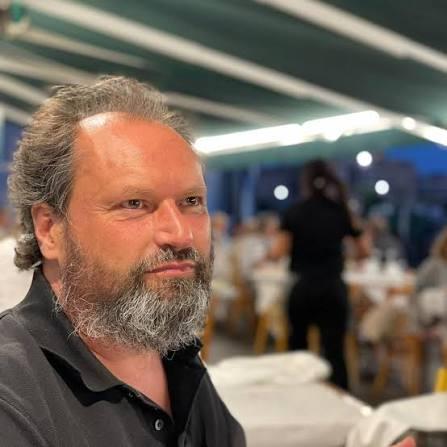
Maurice Lugassy: Canto Vocal Programs is an international nonprofit organization dedicated to the artistic development of opera singers. Founded in 2015 by conductor Lucy Arner, stage director Sharon Mohar, and pianist and vocal coach Liora Maurer, Canto offers intensive training that combines vocal excellence with dramatic interpretation, language coaching, and professional performance experience. Its mission is to help singers grow not only as vocalists, but as complete artists, while making world-class training accessible to emerging and established professionals alike.
Nicole Lacroix: What does the Midsummer Opera Dream Festival offer?
ML: The Midsummer Opera Dream Festival is Canto's annual summer festival in Northern Virginia, bringing together internationally acclaimed artists, young professionals, and audiences through an exciting series of performances and educational events.
The festival features opera performances, themed concerts, masterclasses with internationally renowned artists, lectures, and family events designed to make opera accessible to audiences of all ages. Beyond the public events, participating singers receive an intensive month of individualized coaching, role preparation, stage direction, language instruction, and performance opportunities.
More than a festival, Midsummer Opera Dream is a place where education and performance meet, creating a vibrant artistic community that celebrates opera in all its forms.
NL: What is your role in Canto?
ML: I have been an integral part of Canto since its very beginning and was establishing and producing Canto's programs in Toulouse, France.
As a specialist in French culture, I work closely with singers on French diction, pronunciation, translation, and the literary, historical, and cultural context of the works they perform. My approach helps artists move beyond correct pronunciation to achieve a deeper understanding of the language and its expressive nuances.
During the Midsummer Opera Dream Festival, I will also present lectures exploring different composers, musical styles, and historical contexts,
NL: How did you become interested in Kurt Weill?
ML: My fascination with Kurt Weill began with two artistic discoveries. The first was Alabama Song, performed by The Doors. As a teenager, I was deeply moved by the way Jim Morrison sang it—with despair, rage, and tenderness all at once. It struck me like a bullet.
The second was G. W. Pabst's film adaptation of The Threepenny Opera. I was captivated by its portrayal of ordinary people struggling together within a deeply corrupt society. But above all, it was Weill's music that kept drawing me back—I watched the film three or four times.
From there, I began exploring Weill's work more deeply, discovering that his genius extended far beyond the songs for which he is best known. His concert works, including his two remarkable symphonies, reveal another side of an extraordinary composer whose musical imagination knew no boundaries.
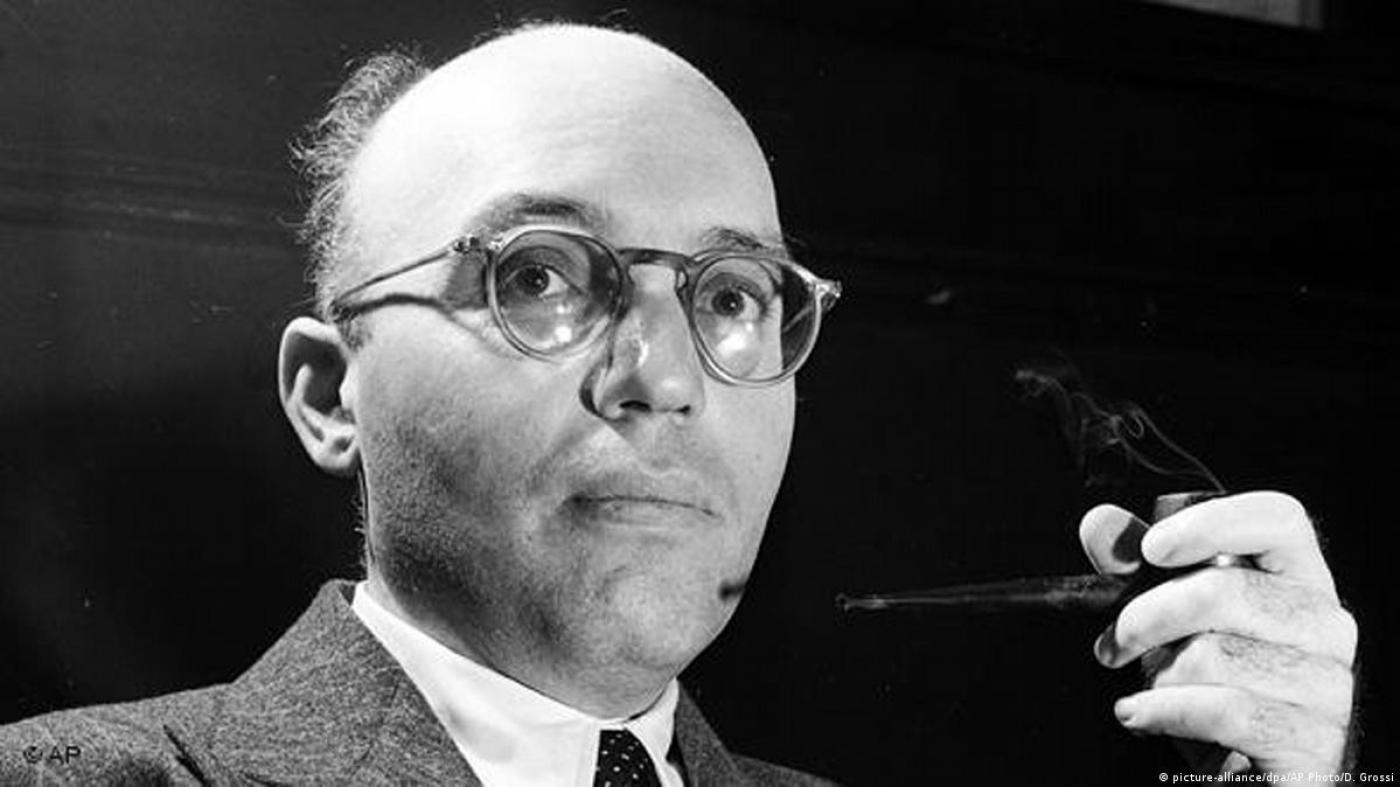
ML: Kurt Weill collaborated with—and was admired by—many of the greatest artists of his time. While he is most often associated with Bertolt Brecht, his creative partnerships also included Ira Gershwin, Jean Cocteau, George Balanchine, Langston Hughes, Maxwell Anderson, and many others.
His father was the cantor of the synagogue in Dessau, Germany. Although Weill did not choose to live as a traditionally observant Jew, he was nevertheless persecuted because he was Jewish. Forced to flee Nazi Germany, he sought refuge in Paris, where even his performances were sometimes disrupted by antisemitic protests. Eventually, he found a new home in the United States, where he became increasingly committed to Zionism.
One remarkable example is A Flag Is Born, the 1946 Broadway pageant written by Ben Hecht to raise awareness and support for the creation of a Jewish homeland. Among its cast was a young, then-unknown Marlon Brando. It is a powerful reminder that Weill's artistic life was inseparable from the great political and human struggles of his time.
Kurt Weill died in 1950 at the age of fifty. His life was short, but his artistic legacy remains immense.
NL: Can you tell us about the Kurt Weill Cabaret on July 18? What music will be performed?
ML: The program traces Kurt Weill's extraordinary artistic journey across three cities that shaped both his life and his music: Berlin, Paris, and New York.
Beginning in Weimar Berlin, audiences will discover the sharp wit, political edge, and cabaret atmosphere of Weill's early collaborations with Bertolt Brecht. The journey then moves to Paris, where exile brought a more intimate, lyrical, and deeply personal voice to his music. Finally, the evening arrives on Broadway, where Weill embraced American musical theater, blending European sophistication with jazz and popular song to create an entirely new musical language.
Through songs, narration, and historical context, the program reveals not only the evolution of one of the twentieth century's most innovative composers, but also the story of an artist who continually reinvented himself while remaining profoundly human.
NL: The program is reprised on July 20th at the Pozez Jewish Community Center of Northern Virginia and is titled: Kurt Weill: The Wandering Jew--From Berlin to Broadway, Music, Exile and Hope. Is this the same program, or does it offer different insights?
ML: At the JCC, my lecture is quite different from the performance itself. The show is poetic—it seeks to evoke an atmosphere, a journey, and a moment in history through music and storytelling. The lecture, on the other hand, explores the remarkable life behind that music.
Using photographs, historical documents, and anecdotes, I will tell the extraordinary story of Kurt Weill—a life that reads like a novel. It spans three countries, the darkest years of twentieth-century Europe, exile, artistic reinvention, and even two marriages to the same woman, the unforgettable Lotte Lenya.
Along the way, we encounter some of the greatest artists of the century, from choreographer George Balanchine to a young Marlon Brando. I know of few artists whose lives were so rich, so eventful, and yet so tragically brief. Kurt Weill died at just fifty years old, at a moment when so much more still seemed possible. Fortunately for us, he had already created an extraordinary body of work. To me, Kurt Weill was truly a genius.
Artistic Team
- Concept and Stage Direction: Sharon Mohar
- Music Preparation and Piano: Liora Maurer
- Narrator: Maurice Lugassy
- Featuring the Young Artists of Canto Vocal Programs
For more information, visit canto-vocal.org
PBS PASSPORT
Stream tens of thousands of hours of your PBS and local favorites with WETA+ and PBS Passport whenever and wherever you want. Catch up on a single episode or binge-watch full seasons before they air on TV.