Three years ago, I had the pleasure of interviewing the Finnish-Ukrainian conductor Dalia Stasevska when she came to the Kennedy Center to conduct the National Symphony Orchestra. Besides her musical activities, she was fundraising with her brothers for Ukrainian relief. With the raised funds, they bought humanitarian aid for the front lines (for example, they picked up cars, sleeping bags, medicine, first aid, food, 20,000 woolen socks and 200 stoves, among many other things). They bought pick-up trucks and packed everything and drove to Ukraine to deliver these relief loads to foundations whose workers then delivered the supplies directly to the most war-torn areas. Last year, she and her brothers were named Europeans of the Year for their humanitarian and artistic efforts.
Now, she has turned her talents to the preservation of Ukrainian culture with a new recording with the BBC Symphony Orchestra where she is Principal Guest Conductor. Ukrainian Mixtape, on the Platoon label, is the fruit of a year of dedicated research, and the passionate approach to music-making that animates Stasevska. Last month, she spoke to WETA Classical from her home in Finland.
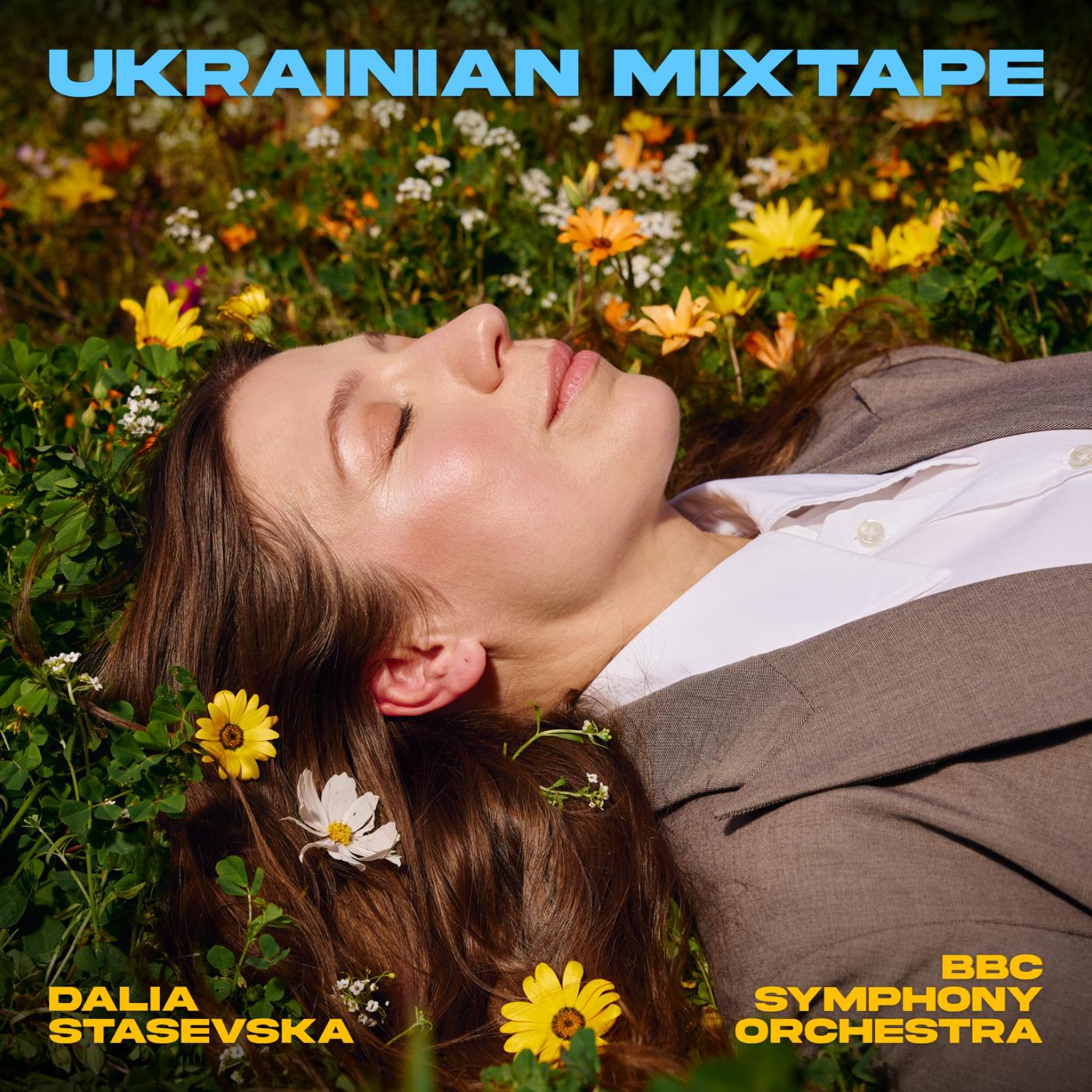
The new album celebrates the Ukrainian spirit, opening with a Solemn Overture by Levko Kolodub, and ending with the triumphal Overture to Taras Bulba, the opera by Mikola Lysenko.
Maestra Stasevska tells us that Ukrainians are a people who “feel everything very strongly...When there’s something to celebrate you will know it. It will be loud and joyous and happy, and this represents that feeling that I’ve seen and experienced many times when visiting Ukraine.” The Solemn Overture, she says, is “almost a cinematic showcase for the orchestra and a great starter for any concert.”
Next on the album are 3 excerpts from Borys Liatoshynsky’s symphonic poem, Grażyna, about a woman who disguises herself in her husband’s armor and leads her people into battle--a sort of Lithuanian Jeanne d’Arc.
Following the heroic tale of Grażyna, are the Nocturne in D Major and Angel, Poem-Nocturne by Fedir Yakimenko, whose career took him to France where he absorbed some of the ambient impressionism of Debussy and Ravel, while maintaining what Stasevska calls “Meatiness.” When I asked her to explain, she told me the harmonies, the orchestration and some of the melodic lines reflected the robust Ukrainian spirit. “It digs through the black soil...reflects the strong emotions Ukrainians always seem to have, feeling everything strongly-- all the senses—sorrow, happiness, tragedy, victory...everything is felt strongly.”
The final cut on Ukrainian Mix Tape is the Overture from Mykola Lysenko’s opera Taras Bulba. Since the composer insisted that the opera be performed in the original Ukrainian, it was not staged during his lifetime, although Tchaikovsky was a fan.
Stasevska explains: “Lysenko is the father of Ukrainian music...a tragic figure, forbidden to perform by Tsarist Russian authorities. The Overture features the two most famous tunes every Ukrainian will know. It has this beautiful lyrical melody in the beginning, and at the end it has this heroic kind of Cossack theme where the Cossacks are riding their horses on the Ukrainian sunburned steppes, and it has this kind of victorious atmosphere. So, it was very important that I would put on this album one of the most important and cherished classics of Ukrainian music. Most people know Janacek’s Taras Bulba, so I thought it would be interesting for music lovers to know this great overture and hopefully we’ll hear this amazing opera one day.”
Dalia Stasevska conducts the BBC Symphony Orchestra in Ukrainian Mixtape on the Platoon label, released July 2026. Be listening to WETA Classical and WETA Virtuoso to discover these long-hidden gems of Ukrainian classical music.
PBS PASSPORT
Stream tens of thousands of hours of your PBS and local favorites with WETA+ and PBS Passport whenever and wherever you want. Catch up on a single episode or binge-watch full seasons before they air on TV.