October 30 is the 161st birthday of Elizabeth Sprague Coolidge, and it is also the 81st anniversary of the world premiere of the ballet Appalachian Spring by Aaron Copland. That is not a coincidence.
It was one hundred years and two days ago, on October 28, 1925, that the Library of Congress opened its concert hall, originally called the Chamber Music Hall of the Library of Congress, and now known as the Coolidge Auditorium. This is appropriate, because the hall owes its existence to Ms. Coolidge's vision, money, and tireless diplomatic efforts among various parties not used to negotiating such projects, including her distant relative President Calvin Coolidge. Opening the hall actually required an act of Congress!
The extraordinary stories of how this hall came to be built, the woman who made it happen, and the central role the hall went on to have in American culture, will be told in the coming weeks as WETA Classical celebrates a century of great music at the Library of Congress. We will be airing specials the next four Thursday nights, beginning tonight at 8:00, featuring recordings of historic concerts at the hall, and daytime listeners will be treated to special features related to that evening’s program. We will also continue to feature great music from the Library of Congress as we celebrate the 250th birthday of our nation next year.
Today’s focus is on one of the greatest and most influential works of American art: Appalachian Spring, which owes its existence to Ms. Coolidge.
It was on her 80th birthday - October 30, 1944 - that the Copland premiere took place in the auditorium named for her. It was part of a program of ballets by three of the era’s major composers - Darius Milhaud, Paul Hindemith and Copland - and one choreographer: Martha Graham.
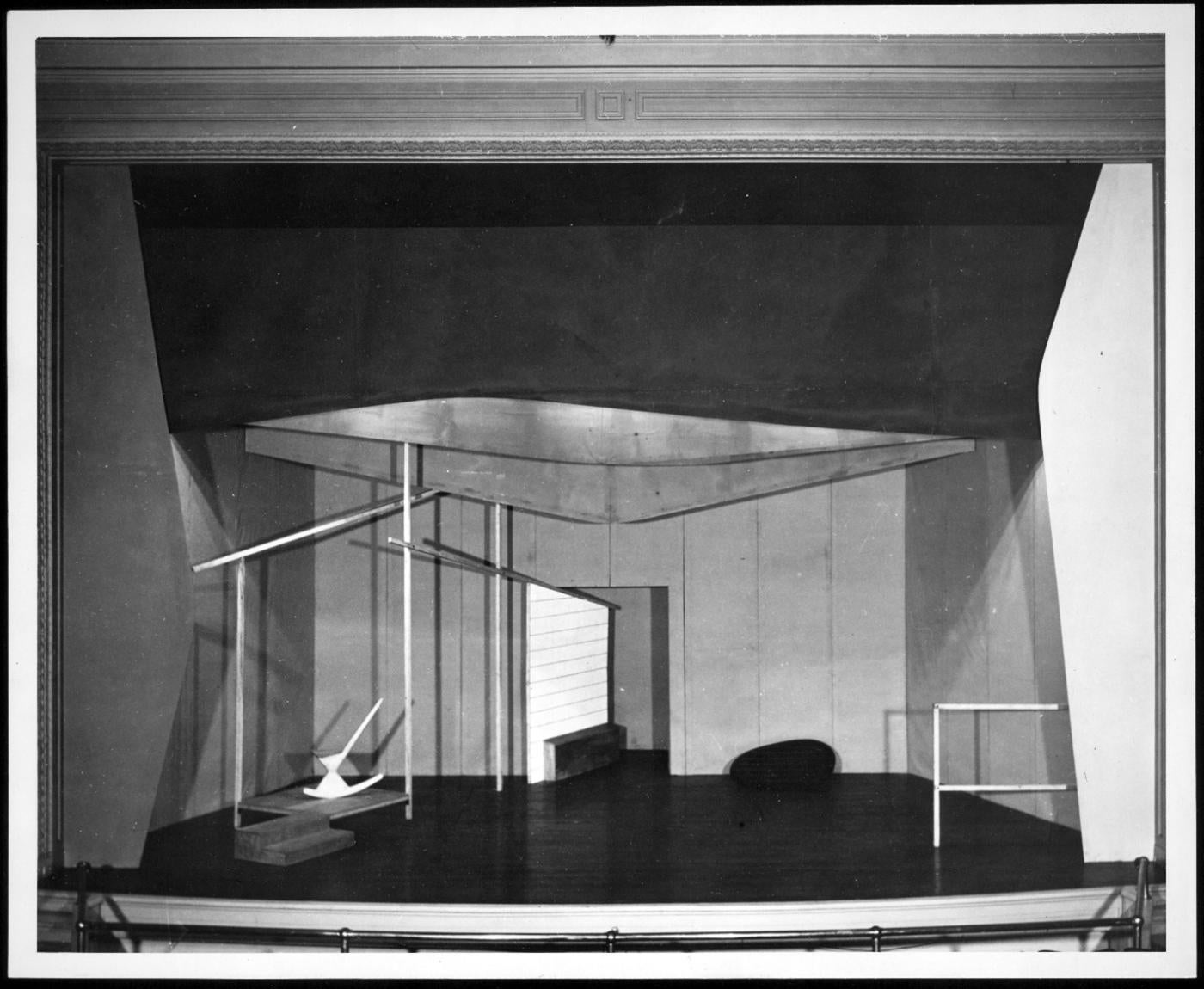
The three projects were also united by their shared set designer, Isamu Noguchi. Ms. Coolidge, who four years earlier had organized a major cultural celebration of the 75th anniversary of the 13th amendment, undoubtedly savored featuring the work of a Japanese-American at a time when most of them were languishing in internment camps.
Ms. Graham, who had just turned fifty, danced on stage with her company that night, along with another groundbreaking figure of modern dance, Merce Cunningham, who played the Preacher. Graham’s husband Erick Hawkins, who later founded his own company, also danced in this premiere.
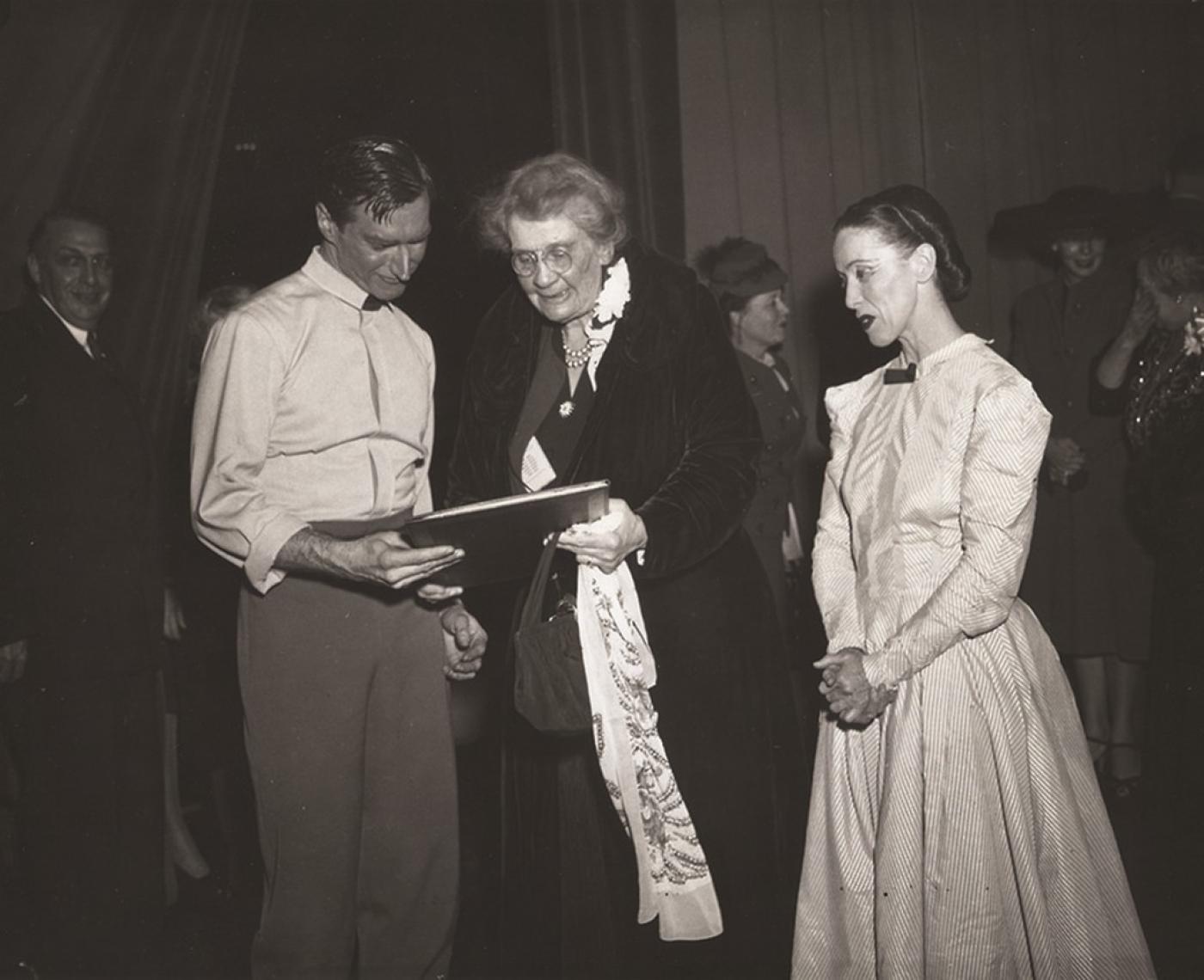
Copland composed the music for the ballet not knowing its title. The working title he gave it was “Ballet for Martha”, and he has said that her personality and artistry were the inspiration for his music. But she did give him this scenario:
“Part and parcel of our lives is that moment of Pennsylvania spring when there was a “garden eastward in Eden.” Spring was celebrated by a man and woman building a house with joy and love and prayer; by a revivalist and his followers in their shouts of exultation; by a pioneering woman with her dreams of the Promised Land.”
Coolidge Auditorium is an ideal space for chamber music and lectures, but mounting a ballet production on that small stage is a challenge. Copland limited the original orchestration to thirteen instruments - flute, clarinet, bassoon, piano, 4 violins, 2 violas, 2 cellos and double bass - because that’s all that could fit in the small pit. He later arranged the music for a full orchestra, which helped popularize the work, but he said that he had a fondness for its original scoring and its “more personal, touching sound.”
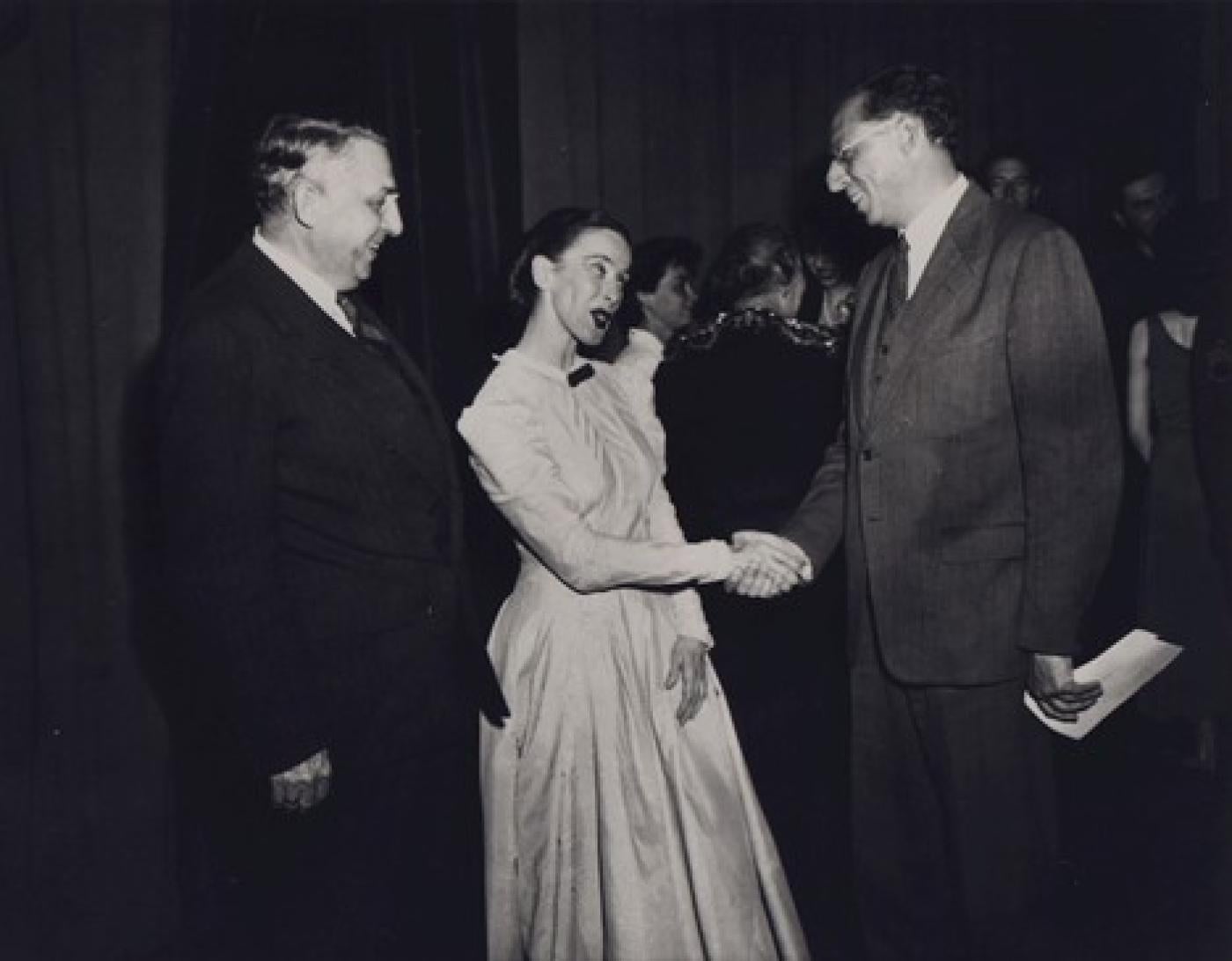
At the premiere, Copland sat next to Elizabeth Sprague Coolidge, to whom he had dedicated his ballet. And it was that night that he finally learned the ballet’s title. Martha Graham in her own words “borrowed” it from the title of a poem by Hart Crane - which otherwise has nothing to do with the ballet’s story.
While this work went on to become popular and almost single-handedly define an American symphonic sound, some of Copland's musical peers thought the piece was reactionary in its reliance on folk melodies and pure, diatonic harmonies when other composers at the time were trying to outdo one another in their use of dissonance and asymmetrical rhythms. But in retrospect we see that many of the so-called modernists of the 20th century were the actual conformists, while Copland was doing something quite radical: in stripping music of any whiff of the conservatory or classical tradition, he used the title of the Shaker hymn that he quotes in the piece as his guiding compositional principle: ‘tis a gift to be simple.
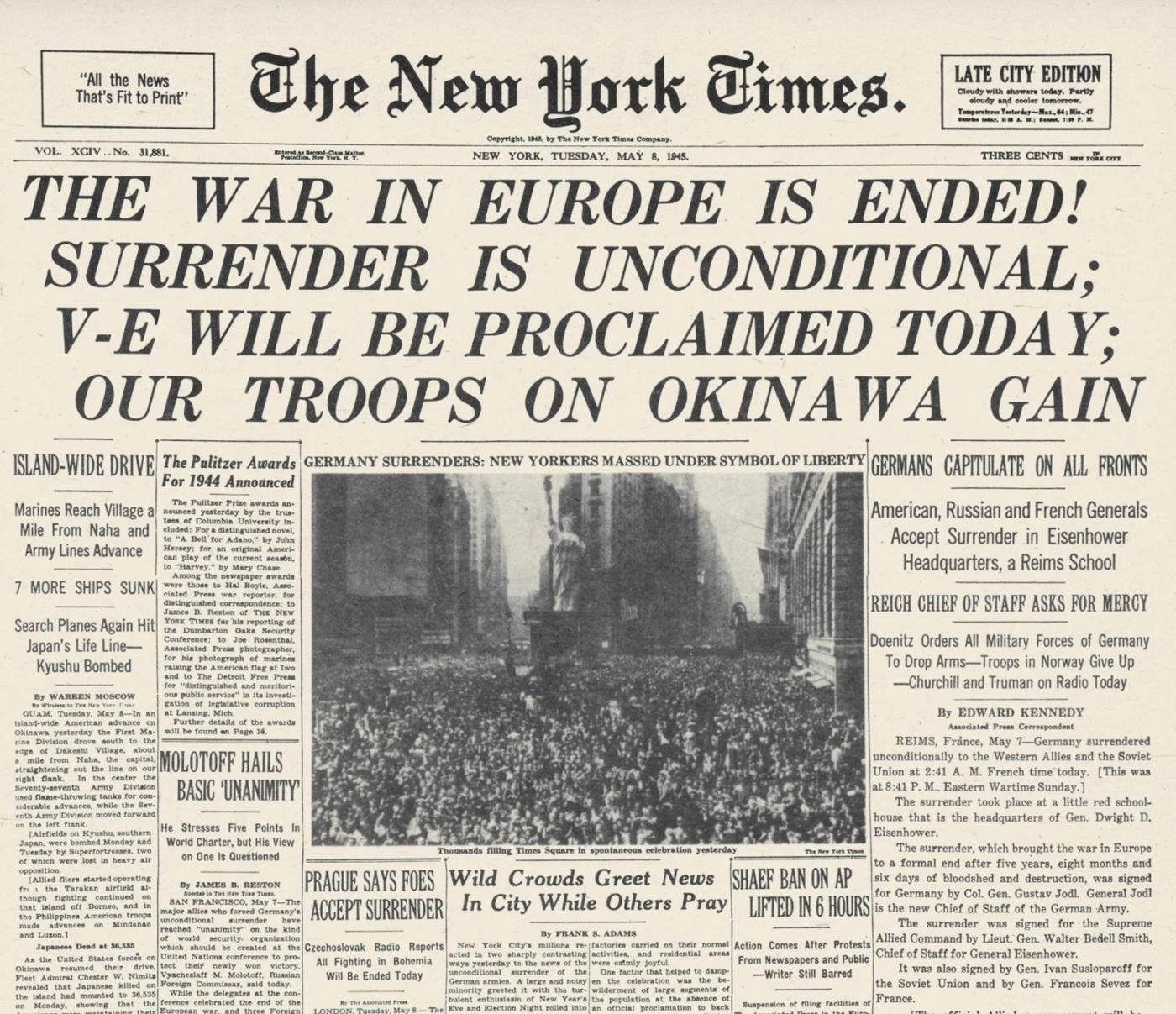
Appalachian Spring won the 1944 Pulitzer Prize for Music, which was announced on May 8, 1945 - though, as you see below, this news (which you can see in the second column from the left just below the headline) had some stiff competition on the front page that day:
PBS PASSPORT
Stream tens of thousands of hours of your PBS and local favorites with WETA+ and PBS Passport whenever and wherever you want. Catch up on a single episode or binge-watch full seasons before they air on TV.