The WETA Classical on-air hosts are your musical guides, sharing the beauty of classical music throughout the broadcast day. All of our hosts are experienced classical presenters and many are musicians themselves.
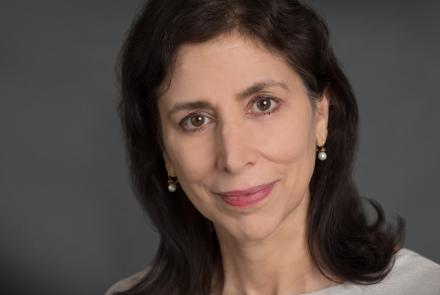
Linda Carducci
Linda Carducci is the weekday morning host on WETA Classical. She received classical training on piano and hosted a daily classical music program in Pittsburgh prior to coming to WETA.
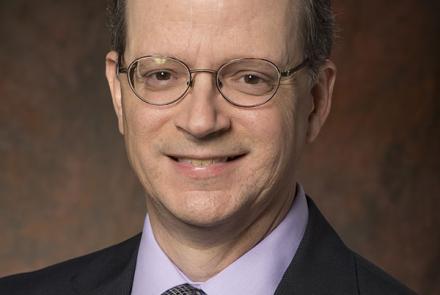
Bill Bukowski
Bill Bukowski is the weekday midday host on WETA Classical. He came to WETA in 2013 from WSCL on the Delmarva pennisula. In his spare time he enjoys playing guitar, mountain dulcimer and ukulele.
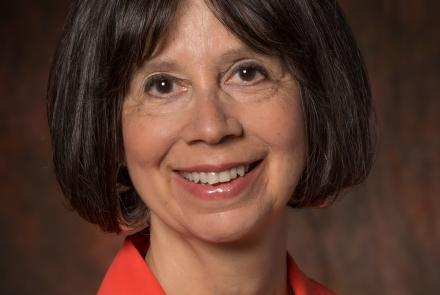
Nicole Lacroix
Nicole Lacroix is the weekday afternoon host on WETA Classical. Lacroix spent fifteen years at the former WGMS in Washington, with stints at VOA, KDFC San Francisco and at Baltimore's WJHU and WBJC.
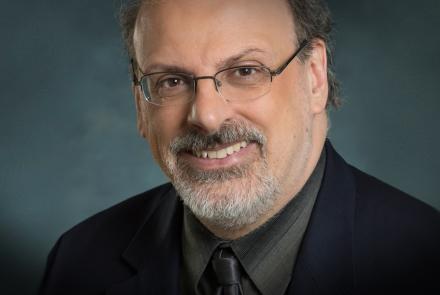
James Jacobs
James Jacobs can be heard evenings on WETA Classical. His varied career has included performing on programs like A Prairie Home Companion and working as a producer for both recorded programs and concert broadcasts.
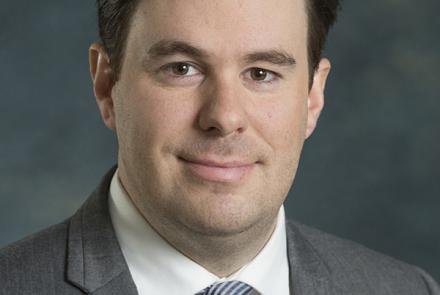
John Banther
John Banther is an on-air host and production manager at WETA Classical. He can be heard Monday evenings, when he hosts our weekly Front Row Washington broadcast.
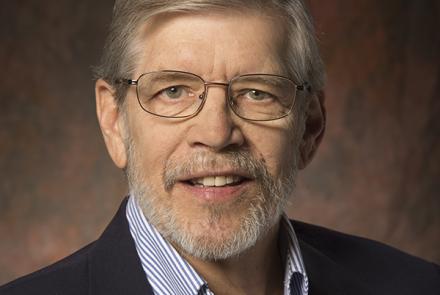
Rich Kleinfeldt
Rich Kleinfeldt is the Sunday evening host on WETA Classical. A professional musician, teacher and lecturer, Rich also hosts Center Stage at Wolf Trap.
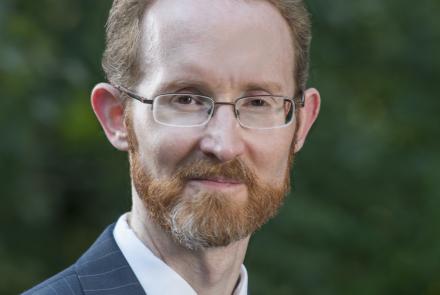
Evan Keely
Evan Keely is a weekend host on WETA Classical. A composer, arranger and vocalist, he has a degree in Music History from the Boston University School of Music.
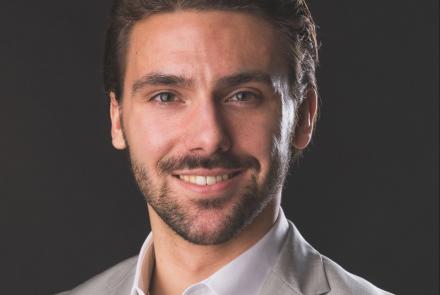
Austin Vitaliano
Austin Vitaliano is a weekend host on WETA Classical. Austin is an active vocalist and performer based in the D.C. area.
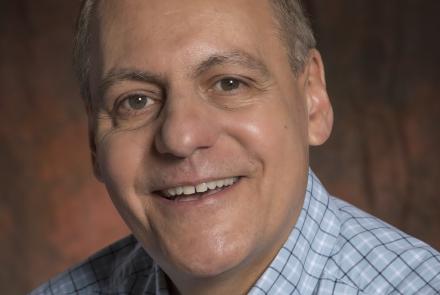
Chip Brienza
Chip Brienza is a fill-in host on WETA Classical. An actor as well as a broadcaster, Chip has many film and television credits on his resume.
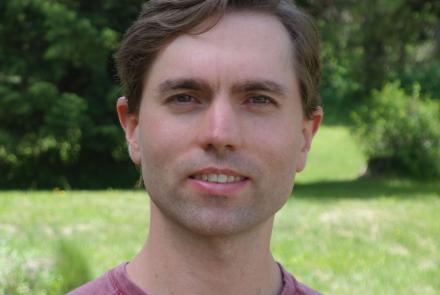
Matthew Dayton
Matthew Dayton is a weekend and fill-in host on WETA Classical. He is also a professional musician, composer, and teacher in Takoma Park, MD.
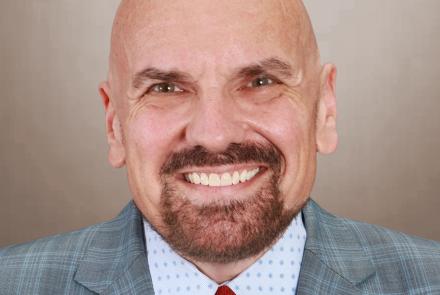
David Martosko
David Martosko is a journalist and writer who was trained on the piano, cello, and tuba but sang his way through his teens and ultimately embraced opera — first on stage and then on the podium.
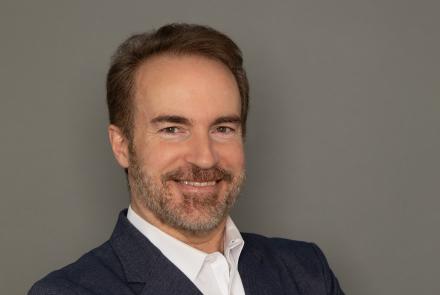
Marcus Pfeifer
Marcus Pfeifer is a weekend host on WETA Classical. A native of Pittsburgh, PA, Marcus earned a degree in Music from the Indiana University of Pennsylvania.

Julie Huang Tucker
Julie Huang Tucker is a fill-in host on WETA Classical. She is music director at First Presbyterian Church of Arlington and has performed as an organist at the Kennedy Center, Strathmore, and National Cathedral with such ensembles as the NSO and National Philharmonic.
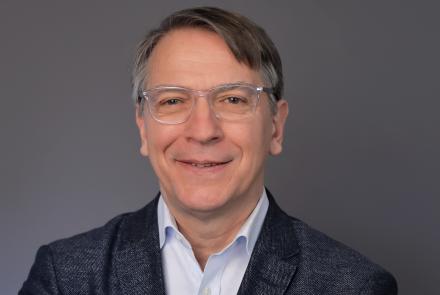
Scott Tucker
Scott Tucker is a weekend host at WETA. He is Professor Emeritus at Cornell University and Artistic Director Emeritus of the Choral Arts Society of Washington.